
Servo and Actuation Engineering Capabilities
We develop integrated engineering solutions across actuation, control, structure, embedded computing and reliability, to support high-performance unmanned systems.
Talk to an engineer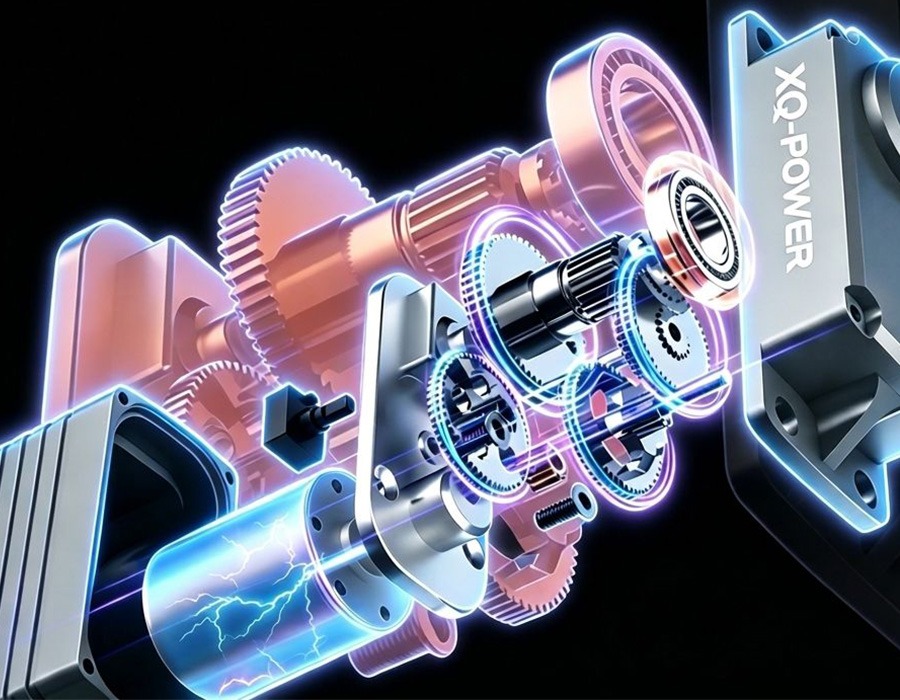
Actuation Systems
Actuation systems form the core of motion control in modern unmanned aerial vehicles and industrial robotics. They convert electronic control signals into precise mechanical movement, and enable accurate control across flight surfaces, propulsion systems and other mission-critical subsystems.
In high-performance UAV and autonomous platforms we design actuation solutions to deliver high response speed, stable output and consistent performance under demanding operating conditions. That covers flight control surfaces, VTOL transition mechanisms and experimental platforms operating in extreme environments.
We work with system integrators and OEM partners from early design through deployment, so the actuation layer supports scalable architectures and meets requirements for reliability, certification readiness and long-term operational stability.
Explore actuation systems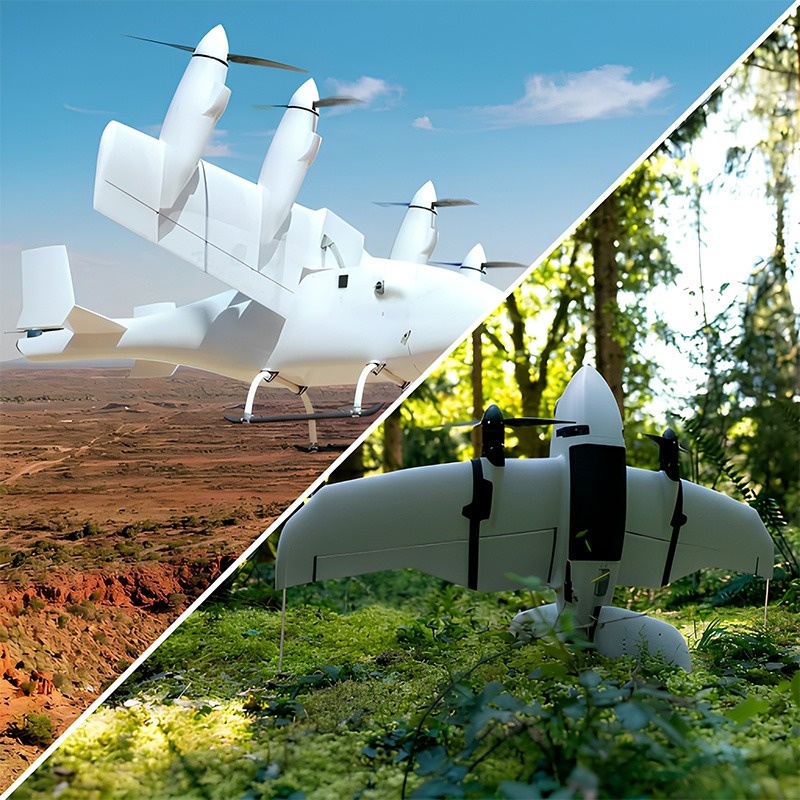
Flight Control
Flight control systems define how unmanned platforms behave in dynamic environments. They coordinate sensing, computation and actuation in real time to generate stable and intentional aircraft responses across all flight conditions.
In complex UAV operations we design control architectures that go beyond basic stabilisation: they manage transitions, disturbance rejection and multi-axis coordination during missions such as VTOL flight, heavy payload operations and autonomous navigation in uncertain environments.
Flight control is integrated tightly with the actuation and embedded layers, and control design prioritises robustness, so the platform keeps consistent behaviour while adapting to changing inputs, environmental conditions and mission requirements.
Explore flight control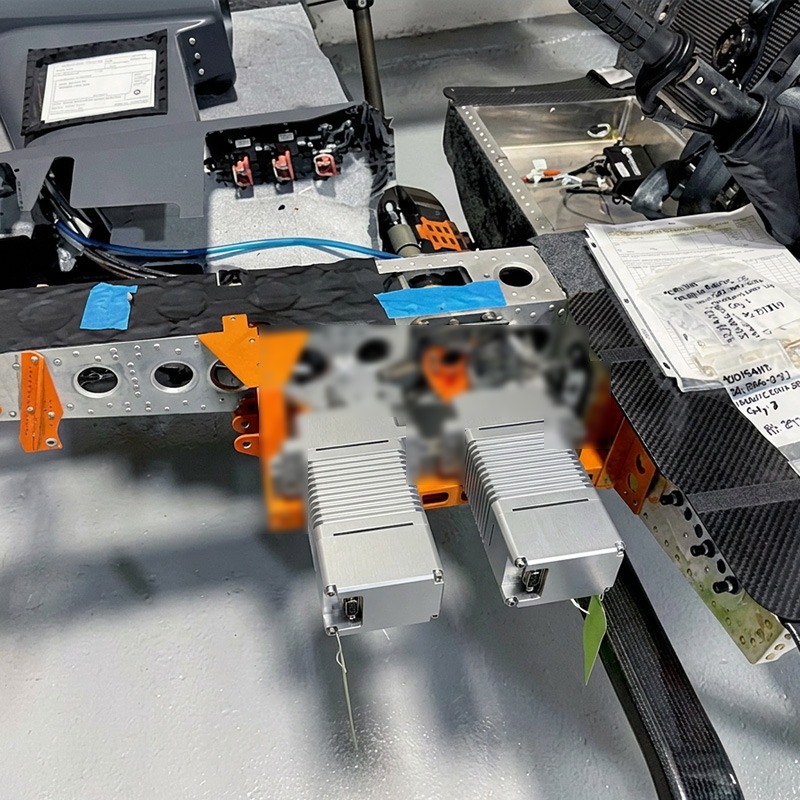
Mechanical Engineering
Mechanical engineering forms the structural backbone of unmanned platforms, defining how aerodynamic forces, payload loads and dynamic stresses are managed across the system.
These structures perform under continuously changing conditions — vibration, impact loads and thermal variation — while supporting precise alignment of the control and actuation systems.
Our engineering approach emphasises structural efficiency, system integration and reliability under real-world operating conditions across industrial UAV and autonomous platforms.
Explore mechanical engineering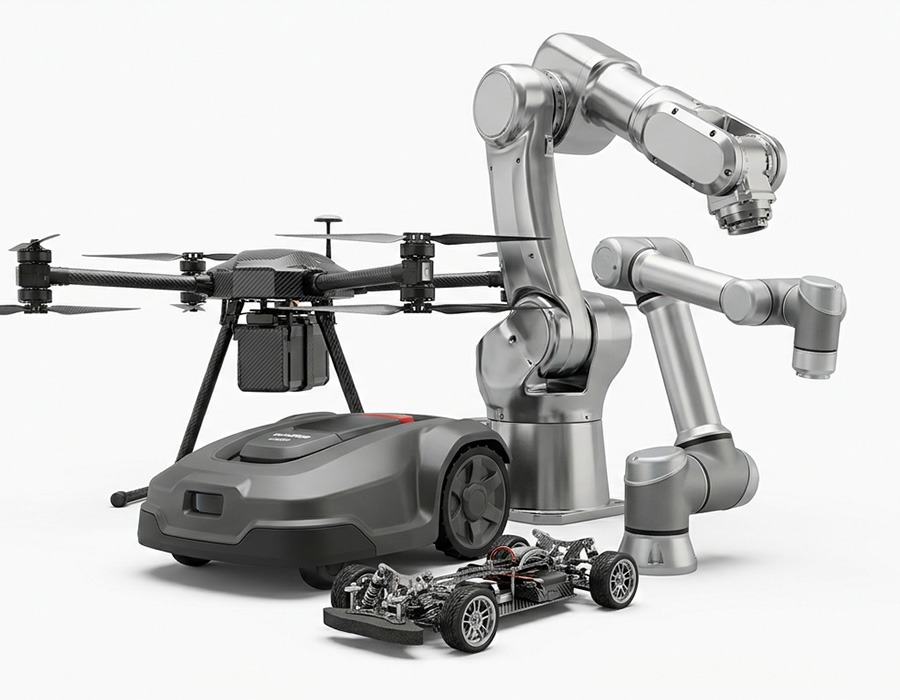
Embedded Systems
Embedded systems act as the computational core of unmanned platforms. They interpret sensor inputs, run real-time control logic, and manage communication across the flight control, actuation and onboard subsystems.
In operational environments these systems must respond within strict timing limits, so we design them for deterministic execution and stable performance under continuous load, including in the presence of electrical interference and environmental stress.
The architecture approach enables seamless system integration, so embedded platforms can coordinate sensor fusion, control loop execution and subsystem synchronisation in real time.
Explore embedded systems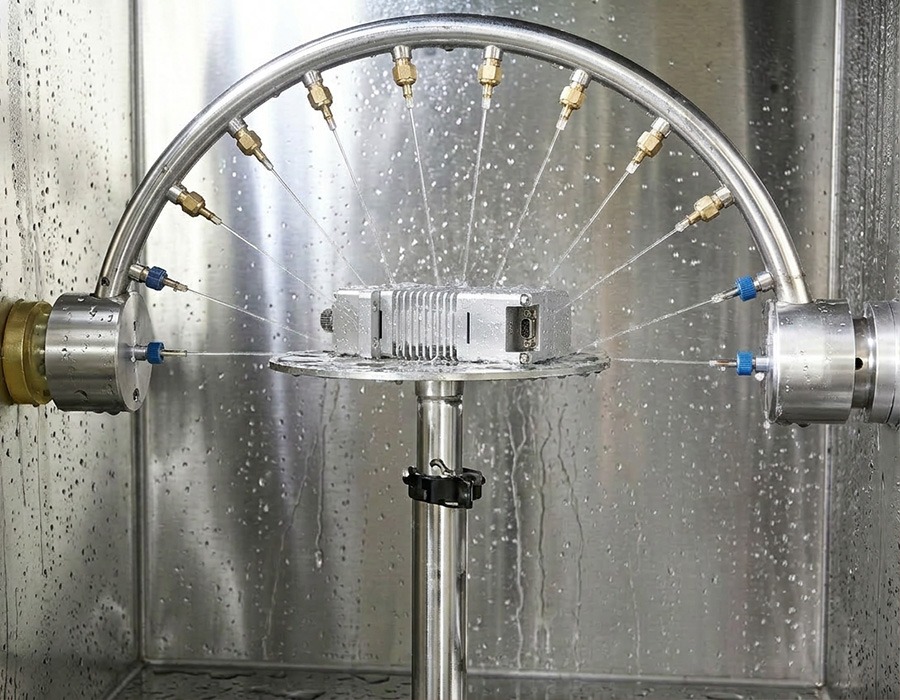
Reliability & Safety
Reliability and safety engineering defines how unmanned systems maintain control and stability under both normal and fault conditions. It connects system design with operational risk management across all functional layers.
Redundancy is designed into critical subsystems so operation continues even when individual components degrade or fail, which preserves control authority and stability under partial failure scenarios.
We also evaluate failure behaviour across mechanical, electrical and computational domains, improving robustness before deployment rather than relying on post-test corrections.
Explore reliability and safetyFrequently asked questions
What engineering capabilities does XQ-POWER cover?
Five connected layers: actuation systems, flight control, mechanical engineering, embedded systems, and reliability and safety. They are developed inside the same actuator programme rather than offered as separate services.
Do you build custom actuator subsystems or supply standard servos?
Both. The standard ranges cover most load cases; where the envelope, duty cycle or interface does not fit, we scope an OEM/ODM configuration from the same engineering base.
How do I start an engineering conversation?
Send the mechanism, the load case and the environment. A sketch, a mass and a movement range are enough to begin, and we usually answer within one business day.
Servo ranges behind these capabilities
High-torque servos
For sustained holding torque, heavy mechanisms and long duty cycles.
Browse high-torque servosBrushless digital servos
Lower internal loss and longer life where the actuator runs continuously.
Browse brushless digital servosPowering Innovation
Contact XQ-POWER's product specialist to recommend a suitable motor or servo for your product.
Contact a specialist