
Introduction: Why UAV Flight Control Surfaces Depend on High-Performance Servos
A UAV flight control surfaces system is one of the most critical components in modern unmanned aerial vehicles. These surfaces—including ailerons, elevators, rudders, and flaps—directly determine flight stability, maneuverability, and responsiveness. Without precise actuation, even advanced UAVs can experience drift, flutter, or unstable behavior during high-speed maneuvers.
High-performance servos are therefore essential to ensure precision control, especially under high aerodynamic loads and dynamic flight conditions. Selecting the right servo requires understanding torque demands, feedback precision, and durability requirements specific to UAV flight applications.
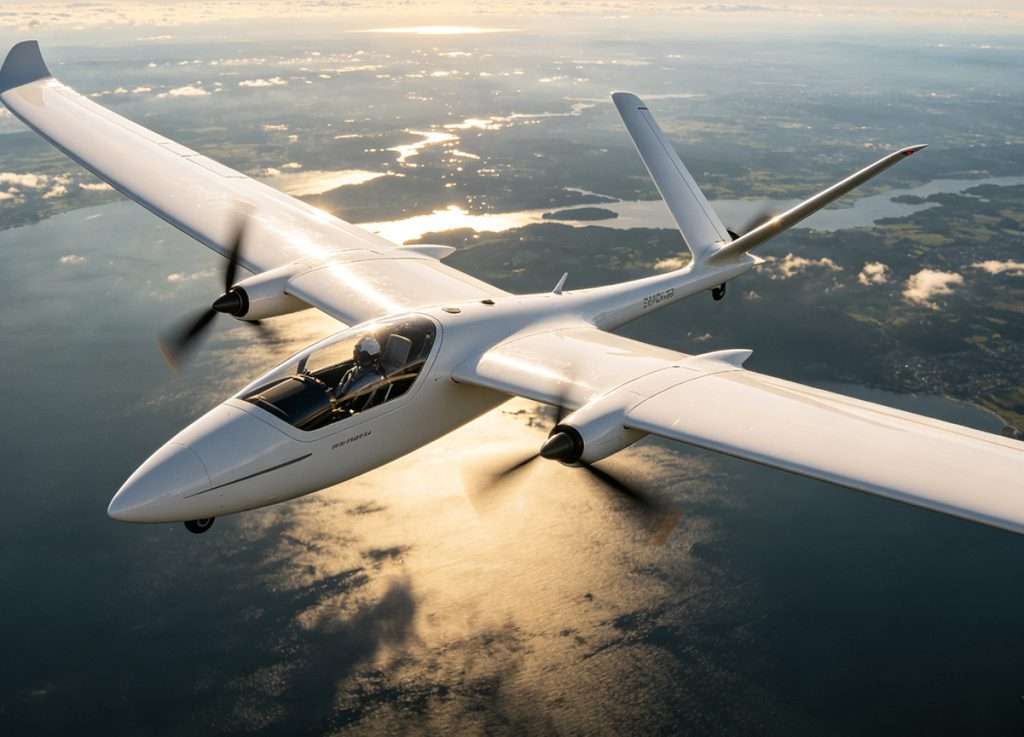
Overview of UAV Flight Control Surfaces
UAV flight control surfaces are movable elements on wings and tail sections that manipulate airflow to control orientation and direction. Key types include:
- Ailerons: Located at the trailing edge of wings, they control roll by moving in opposite directions.
- Elevators: Mounted on the horizontal stabilizer, they control pitch for climbing or descending.
- Rudders: Found on the vertical stabilizer, they control yaw for turning left or right.
- Flaps: Increase lift or drag, typically deployed during takeoff and landing.
- Spoilers: Reduce lift or assist in roll control on large UAVs.
Each surface experiences dynamic aerodynamic forces, which vary with airspeed, wind conditions, and flight maneuvers. The servo must provide consistent torque and precise positioning to maintain stability under these variable loads.
Key Technical Challenges in UAV Flight Control Surfaces
Selecting a servo for UAV flight control surfaces is not straightforward. Engineers must address multiple technical challenges:
- High Torque Demands
Aggressive maneuvers, payload shifts, and wind gusts can create rapid torque spikes. Servos must have sufficient torque margin—typically 1.5–2x the maximum expected load—to avoid stalling or slipping. - Precision and Response Speed
Control surfaces must respond within milliseconds to pilot commands or autopilot adjustments. Any lag or overshoot can lead to unstable flight or oscillations. High-resolution feedback, such as magnetic encoders, ensures exact positioning and minimal drift. - Environmental Factors
UAVs face vibration, temperature extremes, and aerodynamic stresses. Servos with all-metal gears and reinforced shafts resist wear, maintain performance, and survive repeated flight cycles. - Integration and Weight Considerations
Every gram counts in UAV design. Servos must balance torque and structural strength with lightweight construction to avoid degrading flight efficiency.
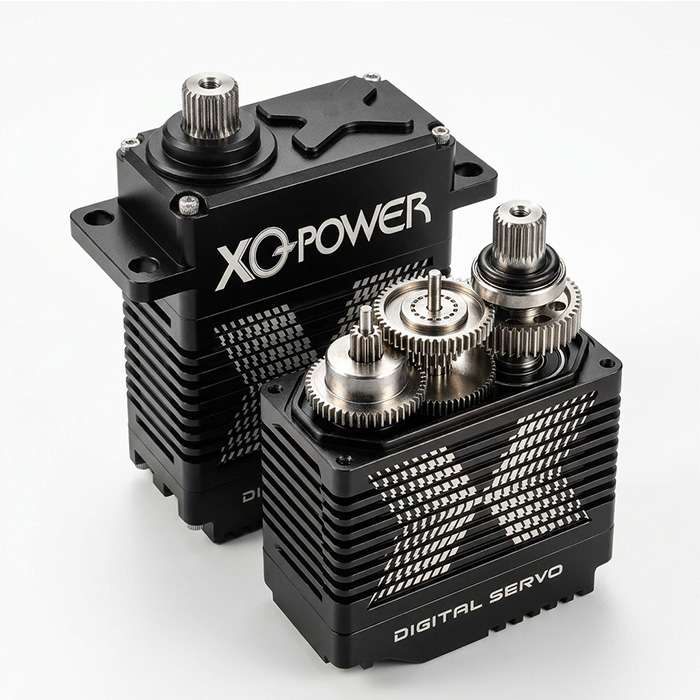
Real-World Application: UAV Servo Case Study
Consider a mid-sized quadcopter UAV designed for surveillance missions. Engineers faced a common problem: during rapid turns and sudden altitude changes, the control surfaces exhibited flutter and delayed response, impacting stability and sensor accuracy.
By upgrading to high-torque servos with magnetic encoders, the UAV team achieved:
- Precise aileron control: Roll adjustments became accurate within ±0.2°
- Stable elevator response: Pitch changes were smooth, even under high wind gusts
- Durable rudder operation: Metal gear servos maintained consistent torque over 200+ flight hours
This case demonstrates that appropriate servo selection can solve high-torque stability issues and improve overall UAV performance. For more on research in UAV actuation, see IEEE UAV Research.
Engineering Considerations for Servo Selection in UAVs
Engineers designing UAV flight control systems should evaluate the following criteria:
- Torque Margin: Ensure the servo can handle sudden aerodynamic loads beyond normal flight conditions.
- Precision Feedback: Magnetic encoders provide high-resolution, zero-drift positioning compared to standard potentiometers.
- Durability: All-metal gears and bearings prolong operational life under continuous high-load cycles.
- Low Latency and High Speed: Fast servo response is essential for stability during rapid maneuvers.
- Environmental Resistance: Servos should maintain performance in vibration-heavy, temperature-variable conditions typical of UAV flight.
By prioritizing these factors, UAV designers can maintain precise, reliable control without adding excessive weight or complexity.
Features of a High-Performance UAV Servo
A high-quality servo for UAV flight control surfaces should include:
- Magnetic Encoders
Accurate, zero-drift feedback ensures each control surface reaches the commanded position precisely. - All-Metal Gears and Shaft
Metal construction resists wear and maintains torque under repeated stress. - High Torque-to-Weight Ratio
Ensures enough power for high-dynamic maneuvers while keeping UAV weight low. - Fast Response with Low Latency
Essential for quick pitch, roll, and yaw adjustments during autonomous or piloted flight.
For UAV developers seeking reliable servo solutions, XQ Servo offers a range of high-torque, precision actuators designed for flight control applications.
Conclusion: Optimizing UAV Flight Control with the Right Servos
Choosing the right servo for UAV flight control surfaces is critical for flight stability, precision, and durability. Engineers should focus on:
- Torque margins to handle dynamic aerodynamic loads
- High-resolution magnetic encoder feedback
- Robust all-metal construction for long-term reliability
- Fast, low-latency response
Selecting a servo that meets these specifications allows UAVs to perform aggressive maneuvers, carry payloads, and operate in challenging environmental conditions without compromising stability.
Explore XQ Servo for engineer-grade, high-torque servos suitable for UAV flight control applications.
Powering Innovation
Contact XQ-power’s product specialist to recommend suitable motor or servo for your product.