
High Standards for Servos in Humanoid Robots
Humanoid robots represent the forefront of intelligent robotics, and their motion precision and naturalness heavily rely on servo performance. When executing fast walking, grasping, or lifting tasks, each joint servo must withstand high torque loads. Even minor deviations can lead to unstable movements or system failures.
Engineers typically focus on the following critical technical parameters when selecting servos:
- Torque and Load Capacity: Maintaining precise control under high loads.
- Response Speed: Ensuring the servo reacts promptly to commands during fast movements.
- Stability and Durability: Maintaining accuracy over long-duration, high-load cycles.
- Feedback Precision: High-resolution magnetic encoders provide real-time position feedback for precise motion control.
These parameters not only affect motion quality but also determine the robot system’s reliability and lifespan.
Real-World Applications Under High-Torque Loads
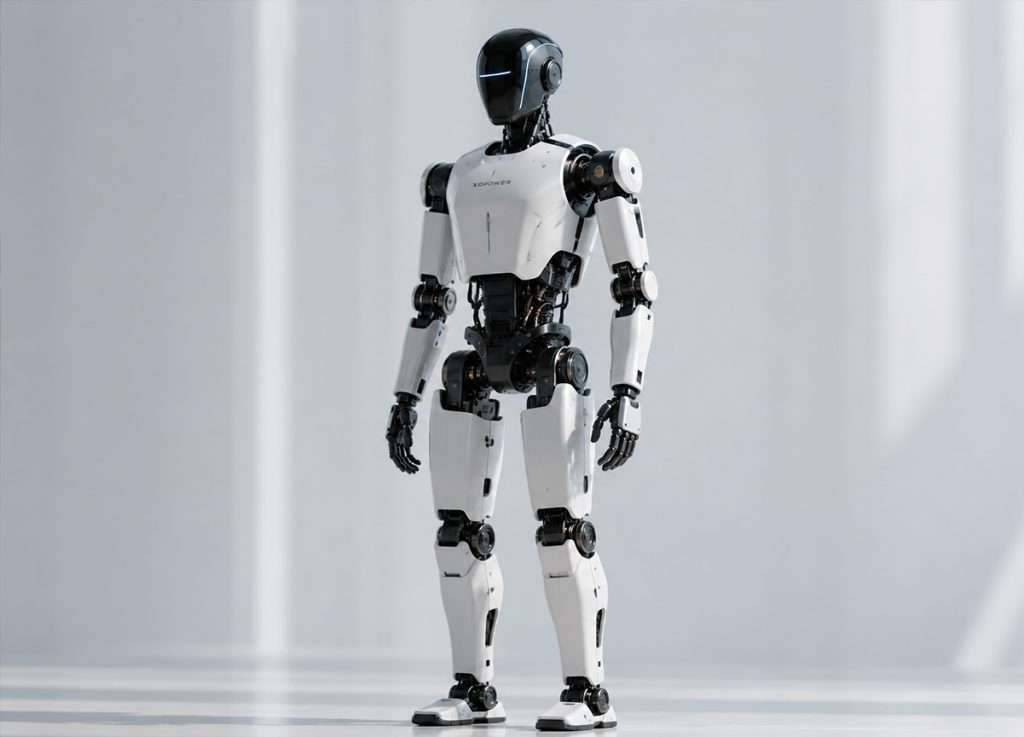
In a typical humanoid robot development project, engineers aimed to achieve natural walking and precise grasping motions. Each leg and arm servo had to handle over 30 kg·cm of torque while maintaining micron-level positioning accuracy.
Testing revealed the following:
- Low-Precision Servos Cause Vibration
Under high-torque conditions, standard servos exhibit slight shaft vibrations, leading to unstable gait and misaligned movements. - Encoder Precision Directly Affects Motion Control
Standard potentiometer servos can experience position drift under changing loads, whereas servos with magnetic encoders deliver continuous high-precision feedback for smooth adjustments. - All-Metal Construction Enhances Durability
Metal gears and bearings withstand high torque without wear, significantly outperforming plastic gear servos in longevity and reducing maintenance needs.
By selecting optimized servos, the team successfully maintained stable control under high-load conditions, achieving design-level accuracy for walking, grasping, and lifting motions.
Key Servo Selection Points for Engineers
In humanoid robot projects, servos are not just actuators—they are the core components of the motion control system. Engineers should consider the following technical specifications:
- Torque Margin: Ideally 1.5–2 times the actual load to prevent slippage or stalling under high torque.
- Magnetic Encoders: Provide high-precision, zero-drift feedback for smooth motion control.
- All-Metal Structure: Metal gears and bearings ensure reliable performance under prolonged high-torque operation.
- Low-Latency Response: High signal refresh rates matched with servo response for fast, accurate motion.
Proper servo selection can significantly improve humanoid robot motion stability, precision, and durability.
Features of High-Quality Servos
In humanoid robot applications, servo performance directly impacts robot behavior. For stable control under high-torque loads, a high-quality servo should include:
- Magnetic Encoders: For accurate, zero-drift feedback
- All-Metal Construction: Durable gears and bearings
- Adequate Torque Margin and Fast Response
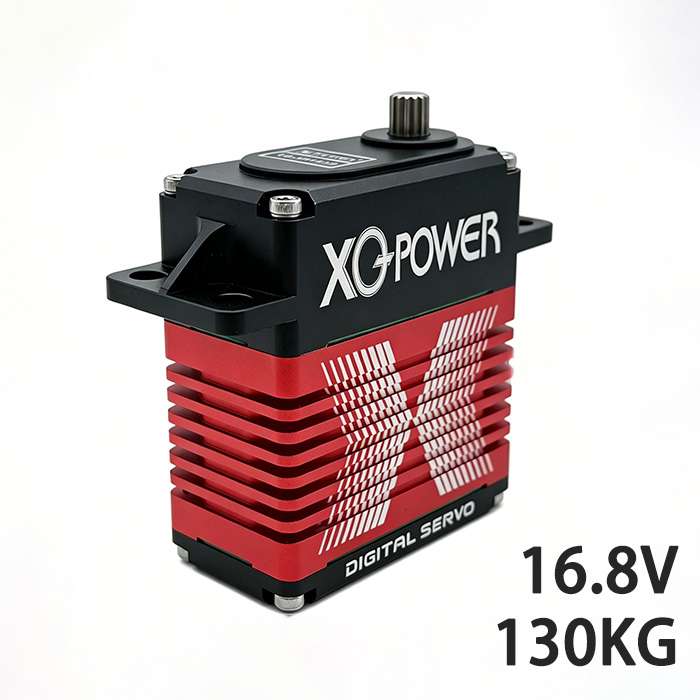
If you are looking for reliable humanoid robot servos, visit XQ Servo Official Website for more product details and technical support.
Powering Innovation
Contact XQ-power’s product specialist to recommend suitable motor or servo for your product.