
RS485 Daisy Chain Wiring is the best way to manage complex multi-servo arrays without creating a mess of tangled cables. “We had 18 individual wires running through a single robotic ankle joint,” a lead robotics professor told us last week. “The fatigue failure rate was 100% due to the bulk of the harness.” This is a classic problem in walking robots. When you have too many wires, the robot’s own motion eventually snaps them.
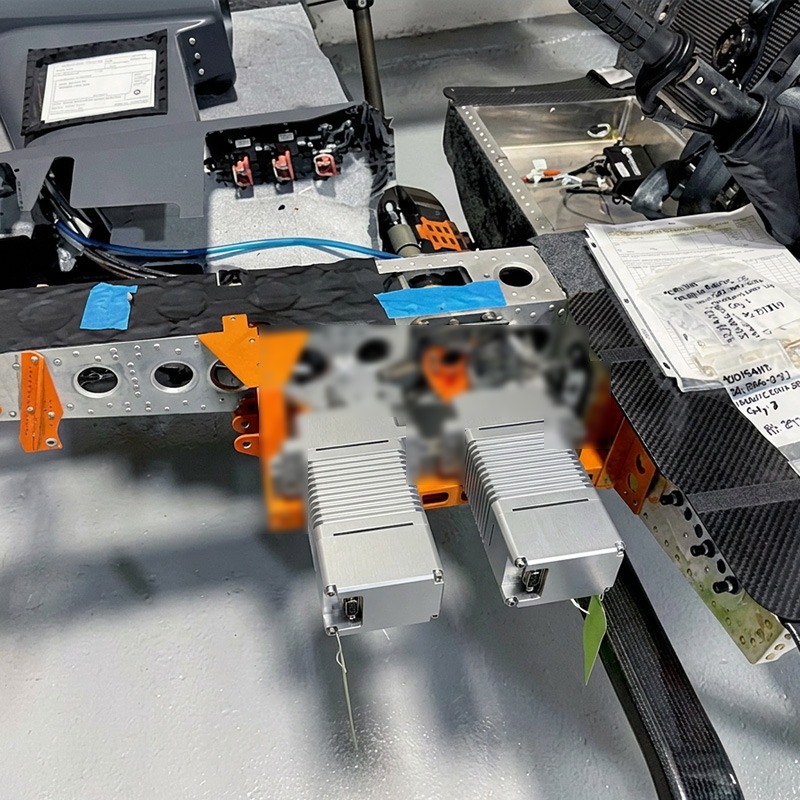
Ending the Cable Spaghetti
Traditional wiring requires three wires for every single motor. In a 12-servo hexapod, that means 36 wires running back to your controller. This is heavy and hard to maintain. RS485 Daisy Chain Wiring changes this. You only need a single 4-wire bus. This bus runs from the controller to the first servo, then to the second, and so on. This “daisy chain” approach reduces weight by over 70%. It also makes the mechanical joints much more flexible because they aren’t fighting a thick bundle of copper.
Managing Power and Ground Loops
While the signal is simple, you must plan your power distribution carefully. In a long RS485 Daisy Chain Wiring setup, voltage drop can occur at the last servo in the line. We recommend a “bus-powered” approach for smaller arrays. For high-torque models like our S9150D-Bus, you might need to inject power at multiple points along the chain. This keeps the voltage stable. It also prevents ground loops that can cause data errors. Always use a shared ground between your signal and power lines to keep the RS485 differential signal clean.
Scalability with Unique IDs
As a technical partner for automation projects, we focus on the logic of the bus. Every servo in an RS485 Daisy Chain Wiring system has a unique ID. Our S8335DW series allows you to set IDs from 1 to 254. This means you can control an entire robotic hand with just one serial port. You can even read the position and temperature of each joint individually. This two-way communication allows the system to detect a blocked joint before any damage happens. It turns a fragile design into a robust industrial machine.
You can find more detailed specs on our bus-enabled lineup or check out our recent project case studies in the Engineering Capabilities Hub on our site.