
RS485 vs CAN Bus Servo Communication: Pick the Wrong Protocol and Your AGV Fleet Pays for It
RS485 and CAN bus servo communication protocols both run industrial actuators, but they solve fundamentally different problems. If you’re building a single machine with a couple of servos, RS485 works fine. If you’re building a fleet of 30 AGVs that need to self-diagnose before they break down, you need CAN bus. Here’s the breakdown.RS485 vs CAN bus servo
RS485 Servo Communication: Simple, Reliable, Dumb
RS485 is a serial protocol that sends commands and receives responses over a differential pair of wires. It’s robust against electrical noise — that’s why it’s still everywhere in factory automation after 40 years. You can daisy-chain up to 32 devices on one bus and run cables hundreds of meters.
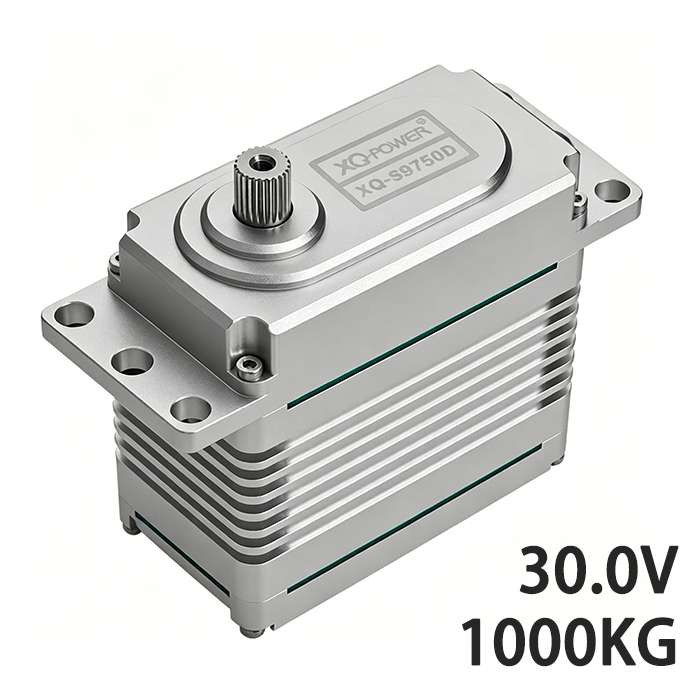
But RS485 servo communication is a master-slave architecture. The host controller polls each servo one at a time: “Servo 1, what’s your position?” waits for the answer, then “Servo 2, what’s your position?” On a six-axis robot arm this is fine. On an AGV fleet where each vehicle has four steering servos and the fleet controller needs real-time telemetry from 120 actuators simultaneously, that polling loop becomes a bottleneck pretty fast.
CAN Bus Servo Communication: Every Node Has a Voice
CAN bus servo communication flips the architecture. Every node on the bus can initiate a message. A servo that detects an over-temperature condition doesn’t wait to be polled — it broadcasts an alert immediately. The fleet controller sees it within milliseconds, flags the vehicle, and schedules maintenance before the shift ends.
CAN bus also handles message priority natively. A servo reporting a critical fault jumps the queue ahead of routine position updates. RS485 servo setups can’t do this without custom firmware gymnastics.
When RS485 Servo Communication Is Enough
For small-scale installations — a single conveyor with three indexing servos, a packaging machine with four actuators, a test bench — RS485 servo communication is cheaper, simpler, and the wiring is something any technician can troubleshoot with a multimeter. Modbus RTU over RS485 is especially common, and the protocol documentation fits on two pages.
Where CAN Bus Servo Communication Becomes Non-Negotiable
Any application where the servo network needs to scale, self-monitor, or survive a single point of failure should use CAN bus. AGV fleets, automated warehouse systems, multi-axis CNC machines. At XQ-Power, we ship RS485 and CAN bus servo options across our industrial line — the S9150D series supports both protocols — but we’ve watched enough customers start with RS485 and retrofit CAN bus two years later to know how the story usually ends.
One practical rule: if you need more than eight servos on one network, or if downtime costs more than the price difference between protocols, go CAN bus from day one.
Need help picking the right communication protocol for your servo network? Contact XQ-Power.