
Servo Motor MTBF: Why a 2,000-Hour Continuous Load Test is the Gold Standard for Robotic Actuators?
In robotics and automated logistics, the most expensive failure isn’t the cost of a replacement part—it’s the cost of unplanned downtime. While most manufacturers provide “peak torque” or “no-load speed,” these figures tell you nothing about how the actuator will perform after six months of 24/7 operation.
To provide our partners with predictable reliability, XQServo conducted a rigorous 2,000-Hour Continuous Endurance Test on our flagship industrial series. Here is what we learned about the physics of servo longevity.
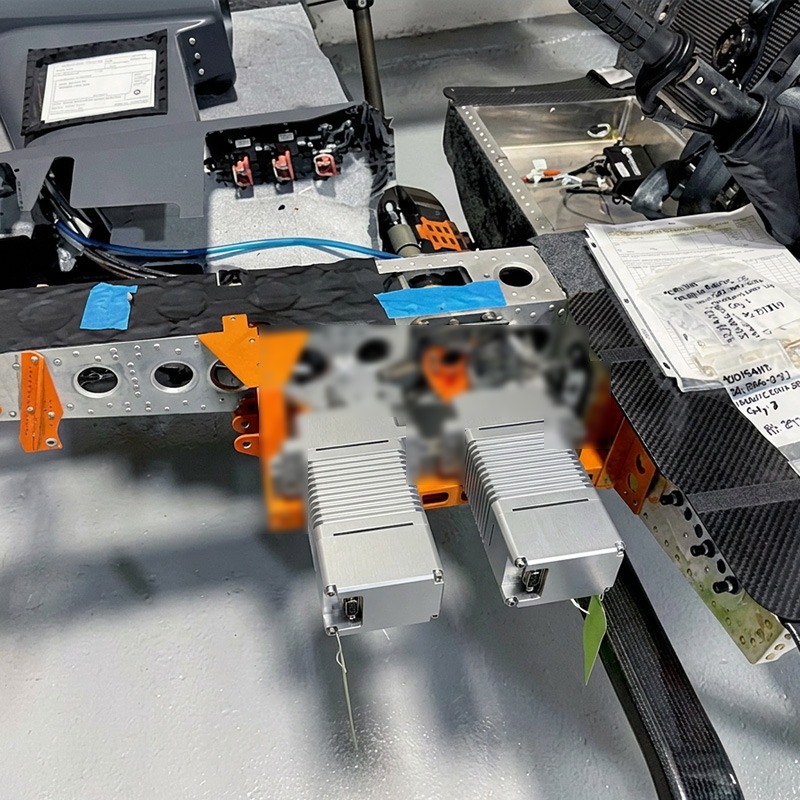
1. Beyond MTBF: What Happens During 2,000 Hours?
Mean Time Between Failures (MTBF) is often a theoretical calculation. We decided to replace theory with friction and heat. Our test involved:
- Constant 70% Rated Load: Simulating a high-intensity AGV steering cycle.
- Extreme Ambient Temperatures: Cycling between -10°C and +60°C.
- Data Logging: Monitoring internal current draw, positioning drift, and gear backlash every 100 hours.
2. Critical Findings: The Three Pillars of Durability
Through this 2,000-hour marathon, our engineering team identified three critical factors that separate long-life servos from “disposable” alternatives:
- Gear Profile Retention: Using hardened steel is only step one. The lubricant stability under pressure is what prevents micro-pitting. After 2,000 hours, XQServo’s gear backlash increased by less than 0.05 degrees.
- Motor Commutator Integrity: Standard brushes often wear out or deposit carbon at the 500-hour mark. Our optimized brush materials and coreless motor designs ensure stable torque delivery even as the hours stack up.
- Seal Elasticity: Waterproof seals often dry out under heat. Our proprietary rubber compounds maintained their IP-rated integrity throughout the entire test duration.
Download the XQ-BLS9150 2,000-Hour Lifespan Test White Paper (PDF)
3. Comparative Analysis: XQServo vs. Conventional Servos
| Metric | Industry Average (Hobby/Light-Duty) | XQServo Industrial Series |
|---|---|---|
| Tested Life (Full Load) | ~300 – 500 Hours | 2,000+ Hours |
| Torque Degradation | >15% loss after 200 hours | <3% loss after 2,000 hours |
| Gear Wear | Significant Backlash / Stripping | Micro-wear only (maintained precision) |
| Failure Mode | Abrupt Electronic/Gear Failure | Gradual, predictable maintenance cycle |
Frequently Asked Questions
If your AGV operates 8 hours a day, 5 days a week, our 2,000-hour test represents approximately 1 year of real-world “worst-case” operation without a single failure.
Yes. By analyzing the current draw patterns from our 2,000-hour study, we can help you set software thresholds to detect potential wear before a failure occurs.
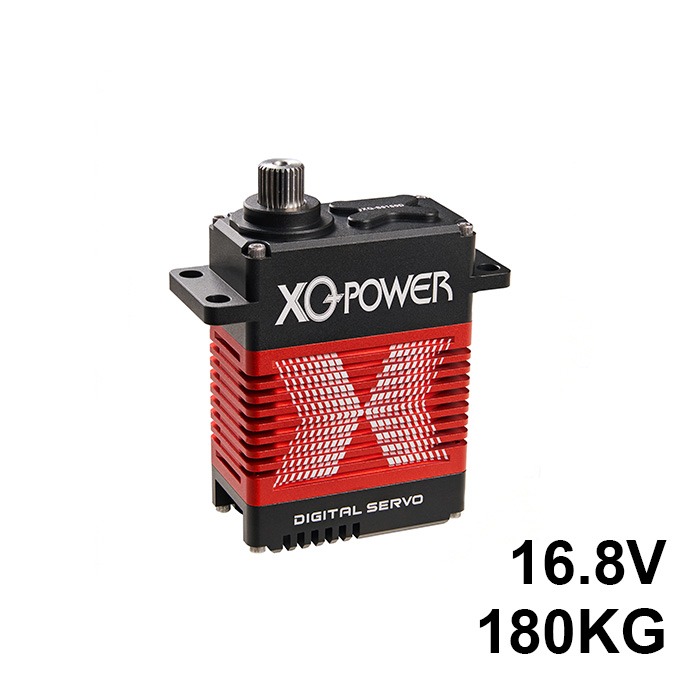
Yes, the S9150D is one of our primary test subjects due to its widespread use in heavy-duty logistics. Detailed data for this model is available in the full report.
Conclusion: Real Data, Not Marketing Fluff
Engineering is about managing variables. By providing documented endurance data, we take the guesswork out of your procurement process.