
eyond Torque: Why Gear Material and Thermal Management Define Industrial Servo Reliability?
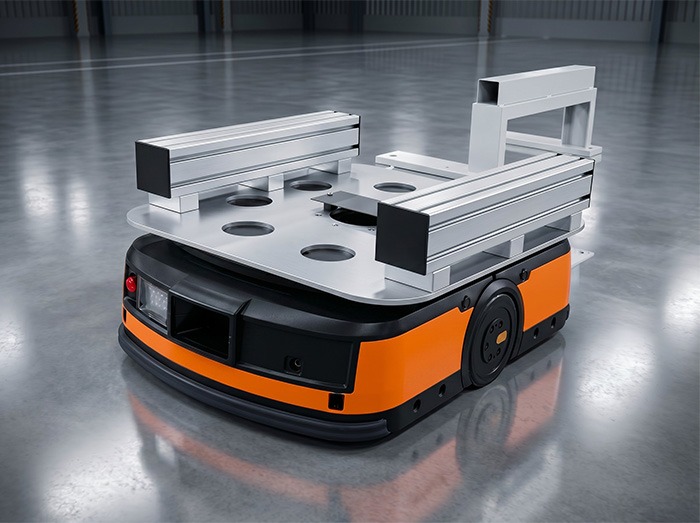
When selecting a high-torque servo for industrial applications—such as AGV steering, heavy-duty valve control, or robotic arms—most engineers look at the torque spec first. However, in a 24/7 factory environment, torque is only half the story. The real challenge is Industrial Servo Reliability under Constant Load.
At XQServo, we’ve analyzed hundreds of field failures from standard servos. The top two culprits? Gear stripping (fatigue) and Thermal runaway. Today, we’ll look at how we engineer our servos to overcome these industrial hurdles.
1. Gear Metallurgy: Why We Choose Hardened Steel?
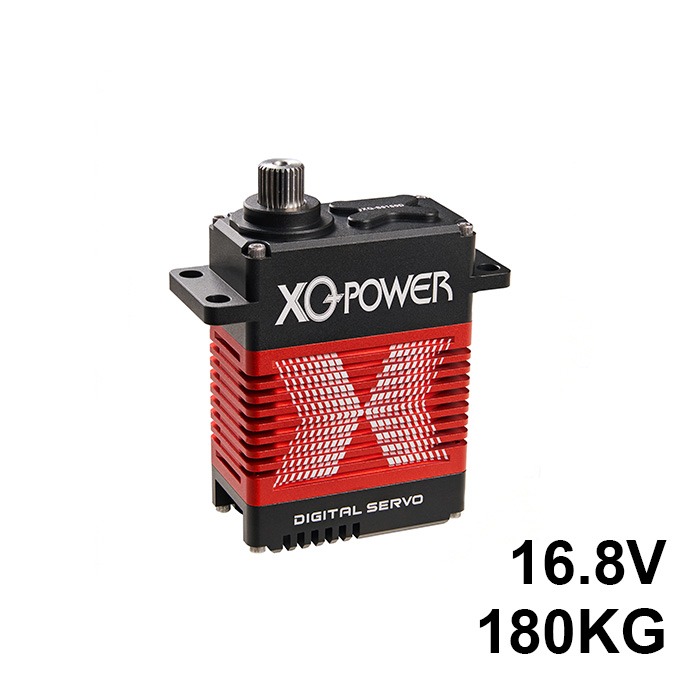
In high-torque scenarios (especially those approaching 100kg-cm to 500kg-cm and above), gear material is the backbone of the actuator.
- Hobbyist Grade: Often use brass or aluminum gears to save weight. These fail under sustained industrial stress.
- XQServo Industrial Grade: We utilize Reinforced Steel with specialized heat treatment.
- Impact Resistance: Our gear trains are designed to handle sudden stalls or reverse-torque without shearing teeth.
- Low Backlash: Precision CNC cutting ensures that high torque doesn’t come at the cost of positioning accuracy.
2. The Silent Killer: Thermal Management in Sealed Cases
High torque generates high heat. In a sealed CNC aluminum case, heat can become trapped, degrading the motor brushes and thinning the gear lubricant. Our engineering solution includes:
- High-Thermal Conductivity Housing: Using the entire 6061/7075 aluminum case as a heatsink.
- Smart PWM Control: Our internal firmware monitors current spikes to prevent overheating before it causes permanent damage.
3. Selection Matrix: Industrial vs. Standard Servos
| Feature | Standard “High Torque” Servo | XQServo Industrial Series |
|---|---|---|
| Duty Cycle | Intermittent (S3) | Continuous / Heavy Duty (S1/S2) |
| Gear Material | Brass / Mixed Alloy | Heat-Treated Hardened Steel |
| Communication | Standard PWM | PWM / CAN Bus (Optional) |
| Application | Prototypes, Light RC | AGVs, AMRs, Industrial Actuators |
Frequently Asked Questions
We recommend our High-Voltage (HV) series which reduces current draw, combined with shielded wiring and, where necessary, CAN Bus protocols to ensure signal integrity across the factory floor.
Yes. As an engineering-driven manufacturer, we provide OEM/ODM services to modify output shafts, case dimensions, and internal firmware to fit your specific AGV or robotic chassis.
Our life-testing protocols target 500,000+ cycles at rated load. We provide detailed MTBF (Mean Time Between Failures) data for specific models like the S9150 series upon request.
Conclusion: Engineering for the Long Haul
A servo that fails in the middle of a production line is more than a broken part—it’s a costly downtime event. XQServo is dedicated to providing the “hidden” engineering details that ensure your machines keep moving.