
“I just stripped the gears on my third ‘high-torque’ hobby motor this month,” a frustrated engineer recently posted on r/robotics. This Reddit thread perfectly captures the core issue in the Industrial Servo vs Hobby Servo debate: a low price often hides a massive cost in downtime.
Hobby servos work well for intermittent tasks, like flying a plane for ten minutes. But industrial robots need to run 24/7. When you compare an Industrial Servo vs Hobby Servo, the real difference lies in heat management. We build our actuators with hardened steel gears and CNC aluminum cases because plastic parts simply melt under continuous industrial pressure.
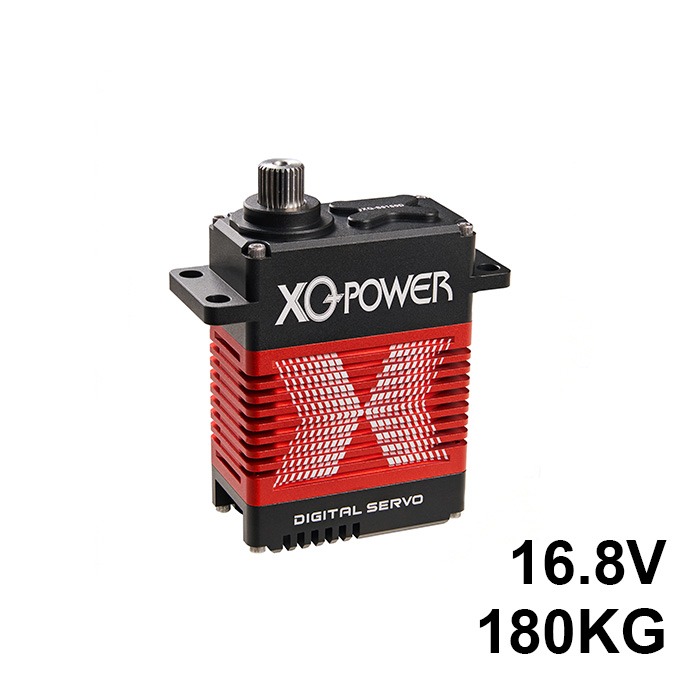
Hardened Steel vs. Mixed Alloys
Most cheap units use soft brass or brittle alloys to save money. These materials fail quickly under constant stress. XQServo uses heat-treated steel because it resists fatigue and maintains precision for thousands of cycles. Our housing also acts as a heatsink, keeping the internal electronics cool during heavy-duty operation.
2,000 Hours of Proof
We don’t expect you to take our word for it. Our team performed a 2,000-Hour Continuous Lifespan Test to show what our engineering can actually handle. The XQ-BLS9150 survived 83 days of non-stop, full-load operation with almost no torque loss. You can download the white paper below to see the raw data.
Conclusion If you are building a prototype, a hobby motor is fine. But if you are building a business, you need the certainty of industrial reliability.