
3 Simple Ways to Prevent Servo Motor Burnout in Industrial Robots
“My high-torque servo started smoking after only two hours of testing,” a worried designer recently posted on r/AskEngineers. This story is a classic example of why you need to prevent servo motor burnout before it stalls your entire project.
While many factors cause failure, you can protect your equipment by following three basic engineering rules.
1. Monitor Your Duty Cycle
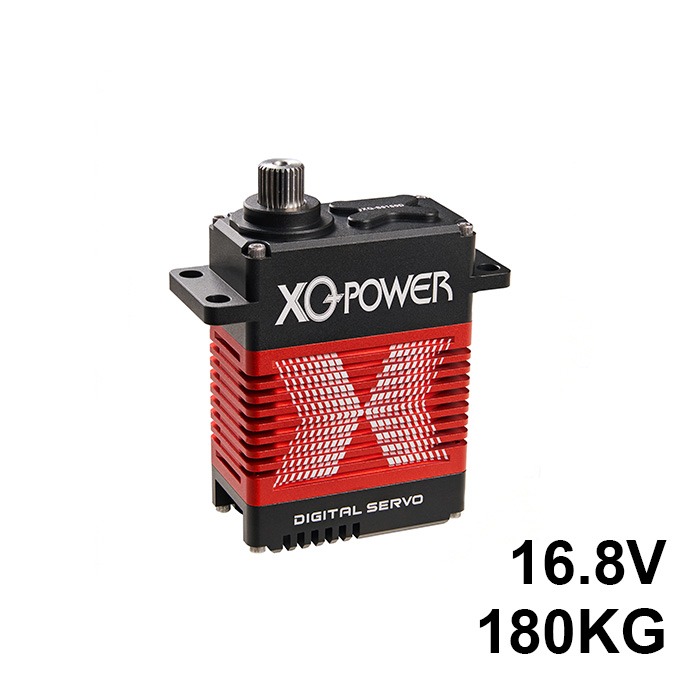
Overheating is the number one cause of failure. Many people push hobby-grade motors to run 24/7, but these units lack the cooling systems of industrial actuators. To prevent servo motor burnout, you must ensure your motor has enough “rest time” or use a dedicated industrial unit with a CNC aluminum heatsink.
2. Avoid Mechanical Overload
When a servo hits a mechanical limit but keeps trying to move, it draws massive current. This “stall current” melts internal windings quickly. You should set software limits in your controller to stop the motor before it hits a hard physical wall.
3. Choose the Right Gear Material
Internal friction creates heat. Because cheap plastic or brass gears wear down, they create extra resistance that strains the motor. However, hardened steel gears run smoother and last longer under pressure.
Proven Reliability
We spent months researching how to prevent servo motor burnout during our 2,000-Hour Continuous Lifespan Test. Because we use brushless technology and premium steel, our BLS9150 maintained stable temperatures for over 80 days of non-stop use. You can read the full thermal and reliability data in our white paper.