
I saw a heartbreaking photo on r/AskEngineers last week. A user (u/MaintenanceGuy) posted a picture of a high-end industrial servo with a clean, diagonal snap right through the output shaft. He’d only installed it three days prior. His question was: “Is this a manufacturing defect, or did I buy a lemon?”
The comment section didn’t hold back. Within ten minutes, the consensus was clear: “That’s a classic misalignment snap.”
Actually, this is the #1 reason for premature failure in industrial servo installation. People spend weeks picking the perfect torque, but ten minutes on the actual mounting. Here is why your “powerful” motor might be its own worst enemy.
The Invisible Killer: Radial Load
Most engineers think that if the coupling is “tight,” the job is done. But if the motor shaft and the driven load are even 0.5mm out of alignment, you aren’t just transmitting torque; you are creating a massive Radial Load.
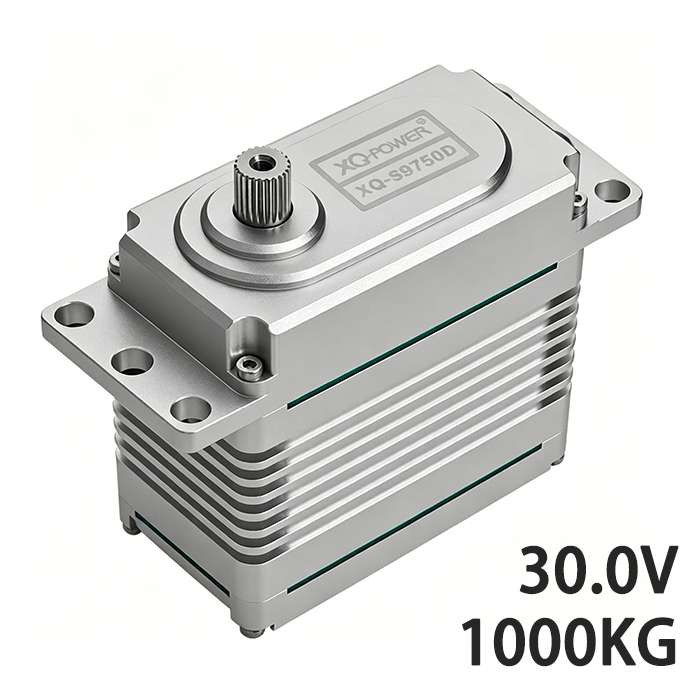
Think of it like bending a paperclip back and forth. Even a strong motor shaft will eventually succumb to “metal fatigue” if it’s being flexed millions of times per hour. In heavy-duty applications (like our 1000kg series), that flex translates into heat in the bearings and, eventually, a catastrophic snap.
Why “Rough Enough” Isn’t Good Enough
In professional industrial servo installation, we talk about “TIR” (Total Indicator Runout). If you aren’t using a dial indicator during the mounting process, you’re guessing.
- Thermal Expansion: I’ve seen setups that were perfect at 20°C but locked up at 60°C because the engineer didn’t account for the shaft expanding as it heated up.
- Over-tightening Belts: If you’re using a belt-drive, cranking it too tight “to prevent slip” is a death sentence for the front bearing.
The Maintenance Reality Check
B2B operations can’t afford downtime. Servo motor maintenance shouldn’t be about fixing what’s broken; it should be about vibration analysis. If you feel a “tingle” in the motor casing that wasn’t there last month, your bearings are already telling you they’re dying.
How XQ-Power Protects Your Investment
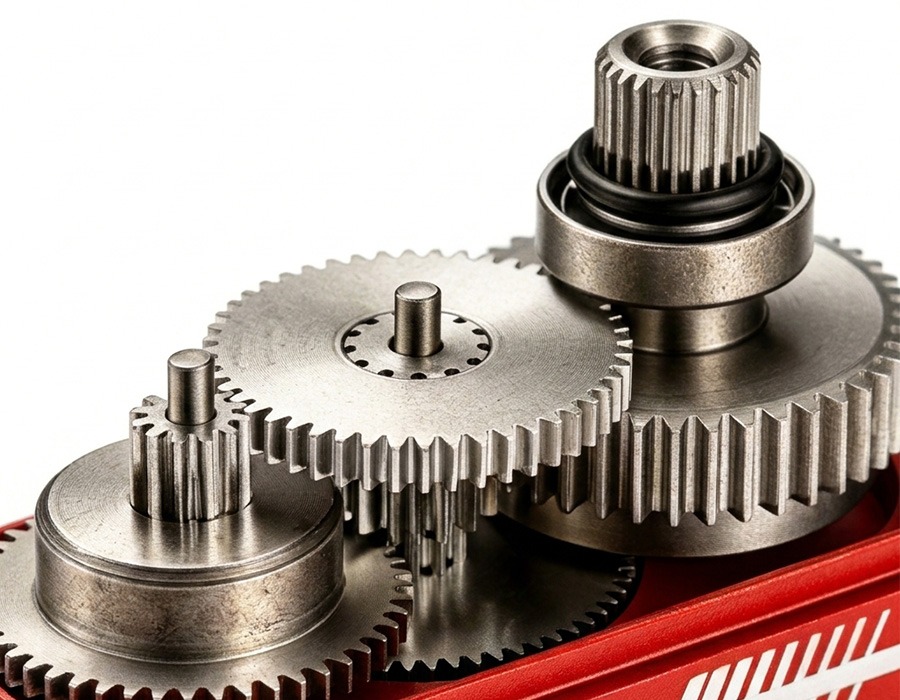
When we design the XQ-Power High-Torque Series, we use oversized, double-shielded bearings specifically to handle the “real world” where alignment isn’t always perfect. But even the best hardware can’t survive a bad install.
Before you bolt down your next motor, check our Installation Tolerance Chart. We didn’t write it to be annoying; we wrote it so you don’t end up like u/MaintenanceGuy, staring at a broken $5,000 motor on a Monday morning.