
Serial Bus Servo technology is quickly replacing traditional PWM signals in modern AGV steering designs. A lead engineer from a global logistics firm recently shared their frustration with us. “The cable mess in our 4-wheel independent steering module was causing too many signal drops,” they explained. This is a common story in warehouse automation. When you have multiple actuators in a tight chassis, traditional wiring becomes a liability.
The Cable Loom Nightmare
In a standard PWM setup, every single motor needs its own signal wire. If you have four steering joints, your cable bundle becomes thick and heavy. This takes up valuable space. It also makes troubleshooting nearly impossible. If one wire breaks, you have to dig through the whole bundle. A Serial Bus Servo solves this by using a daisy-chain approach. You run one main cable to the first unit. Then, you simply jump to the next one. This reduces the total wire count by over 60%. It makes the chassis much cleaner.
Why Real-Time Feedback Changes Everything
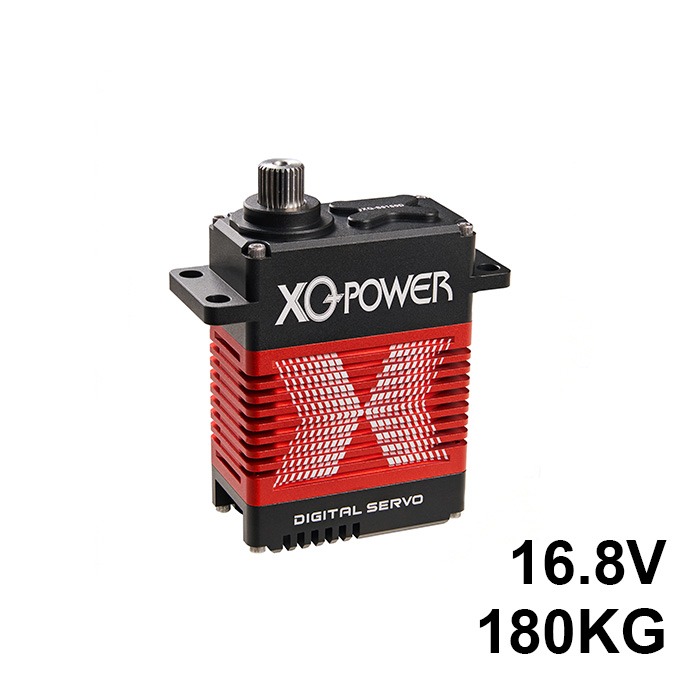
Beyond wiring, the Serial Bus Servo offers something PWM cannot. It provides data. Traditional PWM is a one-way street. You tell the servo where to go. However, you do not know if it actually got there. In AGV steering, knowing the exact angle of the wheels is critical for safety. Our S9150D-Bus models provide real-time feedback on position and temperature. If a wheel hits an obstacle and jams, the system knows immediately. The AGV can stop before any mechanical damage occurs.
Solving EMI Issues on the Factory Floor
As a technical partner, we do more than just ship products. We help integrate the communication protocol into your existing PLC. For large AGV fleets, we often recommend RS485-based systems. These are highly resistant to electrical noise. We recently helped a client configure the S8335DW series for a heavy-load pallet mover. By using unique ID addressing, they controlled all steering modules through a single port. This level of integration simplifies the control logic. It also speeds up the assembly process on the production line.
You can find more detailed specs on our bus-enabled lineup or check out our recent project case studies in the Engineering Capabilities Hub on our site.