
A stage automation servo on a moving LED wall panel failed during a sold-out concert in Berlin last year. The motor did not burn out. It simply paused for 300 milliseconds mid-sweep, and three thousand people watched a six-meter video wall twitch. The cause was a ground loop between the DMX controller and the servo drive that injected noise onto the PWM line during the bass drop
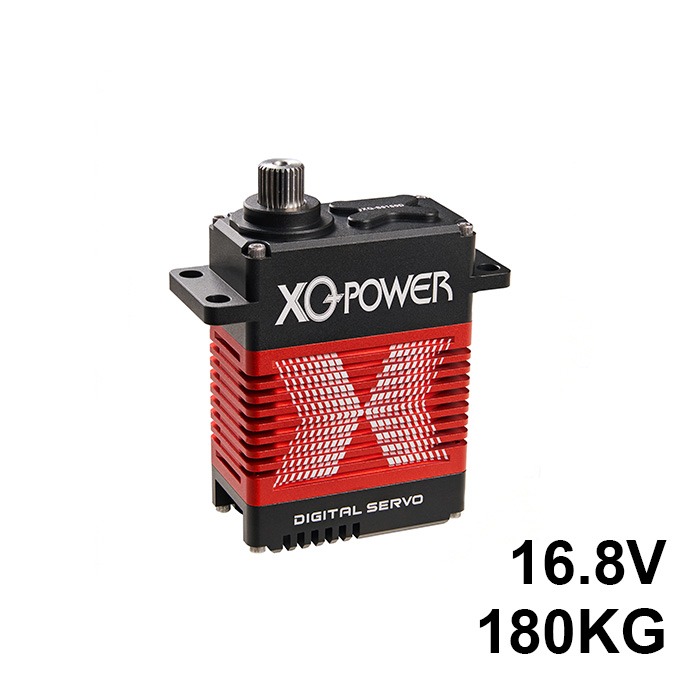
Theater and live event automation cares about two things that industrial applications ignore completely: silence and absolute visual smoothness. Here is what that means for hardware selection
Why Noise Matters More Than Torque
A factory conveyor servo can sound like a coffee grinder and nobody cares. A stage automation servo sits ten meters above the audience in dead silence between scenes. Gear whine at 800 Hz is audible and unacceptable. The noise does not come from the motor itself. It comes from straight-cut spur gears meshing at speed.
Helical-cut gears solve this because the teeth engage gradually rather than all at once. The trade-off is axial thrust on the output shaft bearings, which requires an additional thrust washer. This adds cost and a few millimeters of housing length, but for theatrical applications, the silence is non-negotiable. Ask whether the gear train uses helical or straight-cut gearing before quoting a stage automation servo.
The Invisible Stutter Problem
A human eye can detect a position discontinuity as small as 0.05 degrees on a moving spotlight at 20 meters. That translates to roughly 0.3 µs of PWM jitter. Standard hobby-grade servo testers produce 2-4 µs of inherent jitter, which means every frame of motion contains visible micro-stutters.
A stage automation servo designed for theatrical use needs a drive with sub-microsecond PWM resolution and a deadband under 1 µs. More importantly, the signal path from the controller to the servo must avoid ground loops. The lighting rig dumps hundreds of amps into the same ground plane that carries the servo control signals. Optical isolation on the PWM input prevents the dimmer noise from riding into the position command. This one component separates a professional theatrical servo from a modified industrial unit.1