
A ROV manipulator servo on an offshore inspection vehicle locked up at 180 meters during a pipeline survey last year. The team aborted the dive, winched the ROV back to the surface, and found the housing filled with seawater. Not through the shaft seal. Through the cable gland. The pressure at depth had forced water past the molded strain relief and wicked it straight into the electronics.
Underwater manipulation applies pressures and corrosion mechanisms that no surface application replicates. Depth changes everything.
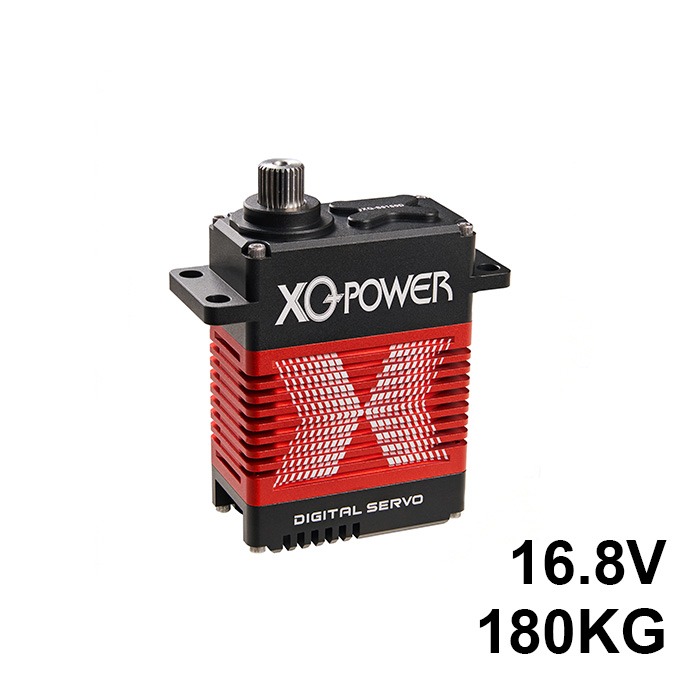
Pressure Compensation Is Not Optional
At 300 meters, ambient pressure reaches 30 bar. A sealed housing with an air pocket inside experiences a 30-bar differential trying to collapse it. The shaft seal, designed for 1-2 bar of splash protection, fails long before the housing implodes. The housing survives. The seal does not.
A depth-rated ROV manipulator servo solves this with oil-filled pressure compensation. The housing contains dielectric oil instead of air. A flexible bladder or piston equalizes internal pressure with ambient depth, so the seals see zero differential regardless of how deep the ROV dives. The oil also lubricates the gears and carries heat away from the motor windings, which matters because there is no air cooling at depth.
Corrosion Accelerates in Salt Water
Standard stainless steel corrodes about ten times faster at 300 meters than at the surface. The increased pressure forces chloride ions deeper into the passive oxide layer on the steel surface. A 304 stainless housing that lasts years in a splash zone will pit within months at depth.
A ROV manipulator servo housing needs 316L stainless or hard-anodized 7075 aluminum with a thick oxide layer. Titanium is better but rarely cost-effective for anything below a work-class ROV. The fasteners matter just as much as the housing, because a single 304 stainless bolt on an otherwise 316L assembly creates a galvanic couple that corrodes the bolt into dust while the housing stays pristine.
Feedback When You Cannot See It
The operator controls the manipulator through a low-bandwidth video feed with half-second latency. They cannot feel the grip force or hear the motor strain. So the servo must protect itself. A ROV manipulator servo with current sensing can detect a stall and back off before the motor overheats. Temperature monitoring on the drive MOSFETs prevents thermal runaway in the sealed, oil-filled housing where heat has nowhere to go.
These protection features add electronics, and electronics in a pressure-compensated oil bath need conformal coating on every PCB trace. One uncoated via becomes a short circuit path through the oil. The coating process adds cost but eliminates a failure mode that requires a ship and a crane to fix.