
HV Digital Servo Selection: Stop Wasting Power as Heat
Modern High Voltage digital servo selection is moving away from the old 4.8V-6V standard for one simple reason: Efficiency. A Reddit user on r/multicopterbuilds put it perfectly:
“My 6V servos were pulling 4 amps on peak loads, causing massive voltage drops and heating up my BEC. Switched to HV (8.4V) and my current draw dropped significantly. Same torque, way less drama.”
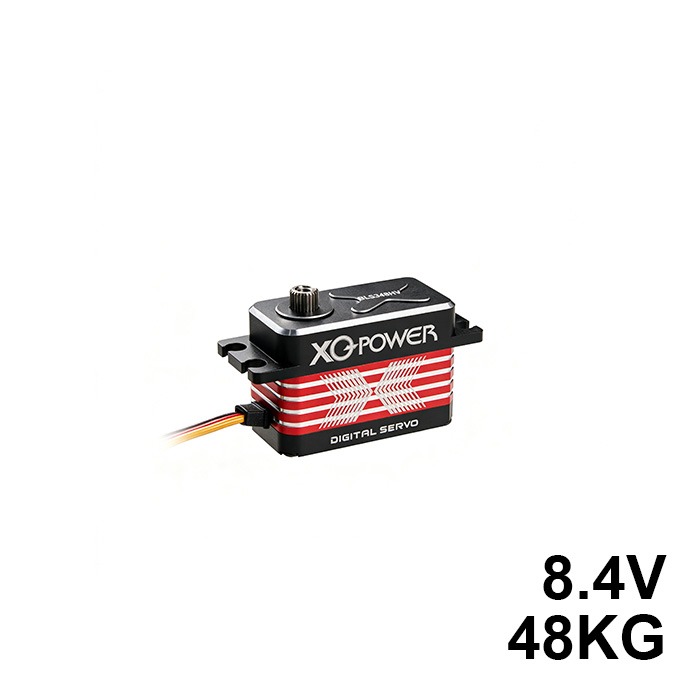
When it comes to HV digital servo selection, the math is clear: Power = Voltage x Current.
The Advantages of Moving to 8.4V or 12V:
- Lower Amperage, Thinner Wires: By increasing the voltage, you can achieve the same torque with less current. This means you can use lighter-gauge wire harnesses without worrying about resistive heat loss.
- Higher “Holding” Power: High-voltage motors react faster to load changes. In high-precision CNC or camera gimbal work, an HV servo maintains its position with 15% less jitter than a standard voltage unit.
- Brushless Motor Synergy: Most HV digital servo selection involves brushless motors. These combinations typically offer 30% longer lifespans because the lower current reduces wear on the internal MOSFETs.
[Pro Tip] Always check your controller’s output capability. If you choose an HV servo but your power rail can’t sustain the voltage under load, you’ll lose the very performance you’re paying for.