
Stall Torque vs. Continuous Torque: How to Size a High-Torque Servo
Selecting a high-torque servo requires more than comparing one peak torque number. Stall torque describes the maximum torque measured when the output is prevented from rotating under a defined test condition. Continuous torque describes the load a servo can sustain over a specified duty cycle while remaining within its electrical, mechanical, and thermal limits.
The correct selection depends on the load torque, mechanical leverage, acceleration, operating speed, voltage, duty cycle, ambient temperature, mounting arrangement, and transmission efficiency. Peak or stall torque should not be treated as a continuous operating rating unless the applicable test conditions and duty cycle have been confirmed.
How Stall Torque and Continuous Torque Differ
Stall torque is the torque measured when the servo output is prevented from rotating under a defined test condition. It indicates the maximum output torque recorded for that test point, but it does not define a safe continuous operating load.
Continuous torque is the load a servo can sustain over a specified duty cycle while remaining within its electrical, mechanical, and thermal limits. The applicable continuous rating depends on the operating voltage, ambient temperature, mounting arrangement, load profile, acceleration, speed, and cooling conditions.
For this reason, a servo should not be selected by comparing stall torque alone. The torque value must be interpreted together with the test condition and the expected operating cycle.
Servo Torque Calculation for System Sizing
A basic load-torque estimate can be expressed as:
Required load torque = force × effective lever arm
The final servo selection should also consider acceleration torque, friction, transmission efficiency, shock loading, and the required safety margin. For a rotary mechanism, the engineering review should define the load force, lever arm, acceleration, operating speed, duty cycle, supply voltage, temperature, and mechanical transmission before selecting a model.
Do not apply a fixed safety percentage to every application. The appropriate margin depends on the measured load profile, uncertainty, impact loading, thermal limits, and the consequences of a stall. Confirm the calculation and the final margin with the responsible engineer.
Engineering Conditions That Affect Servo Torque
A high-torque servo should be evaluated using the complete application load profile rather than a single label or peak value. The engineering review should define the required continuous torque, peak torque, acceleration, operating speed, duty cycle, supply voltage, ambient temperature, mounting arrangement, and transmission efficiency.
Gear-train losses, friction, heat generation, and mechanical compliance can affect the torque available at the output shaft. These effects vary with the exact design and operating conditions, so a fixed loss percentage should not be applied without a defined test method or product specification.
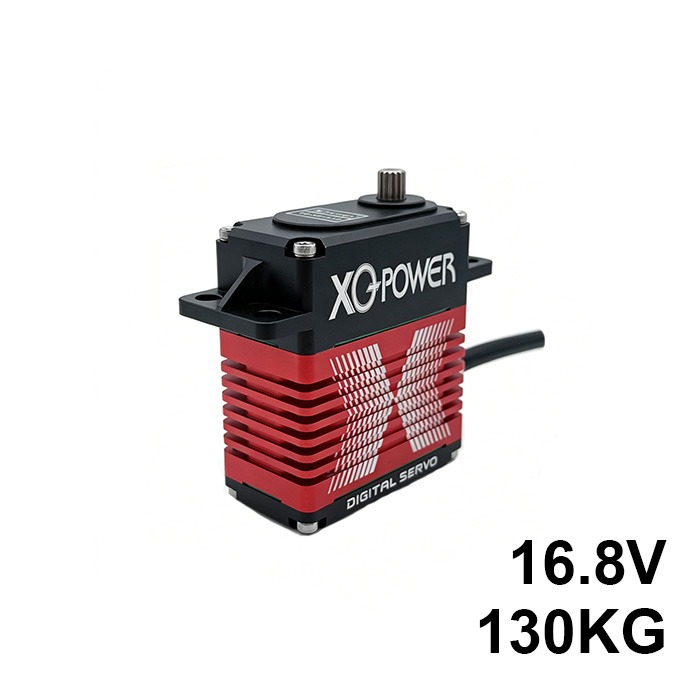
If a product is described using a high-torque or “1000kg” class label, confirm what the label measures, including the unit, voltage, test condition, output position, and whether the value represents stall, peak, or continuous torque. The label alone is not sufficient for continuous-load selection.
How to Evaluate a Servo Supplier’s Torque Data
When comparing high-torque servos, ask the supplier to define the torque value and its test condition. The documentation should identify the operating voltage, output position, speed, load condition, measurement method, and whether the value represents stall, peak, rated, or continuous torque.
A useful duty-cycle description should also explain the expected load duration, rest period, operating speed, ambient temperature, mounting arrangement, and thermal limits. Without these conditions, a single torque number cannot be used to predict continuous performance or service life.
For an AGV, robotic arm, or other industrial mechanism, evaluate the complete load profile and confirm the selected model with the responsible engineer before production use.