
Introduction
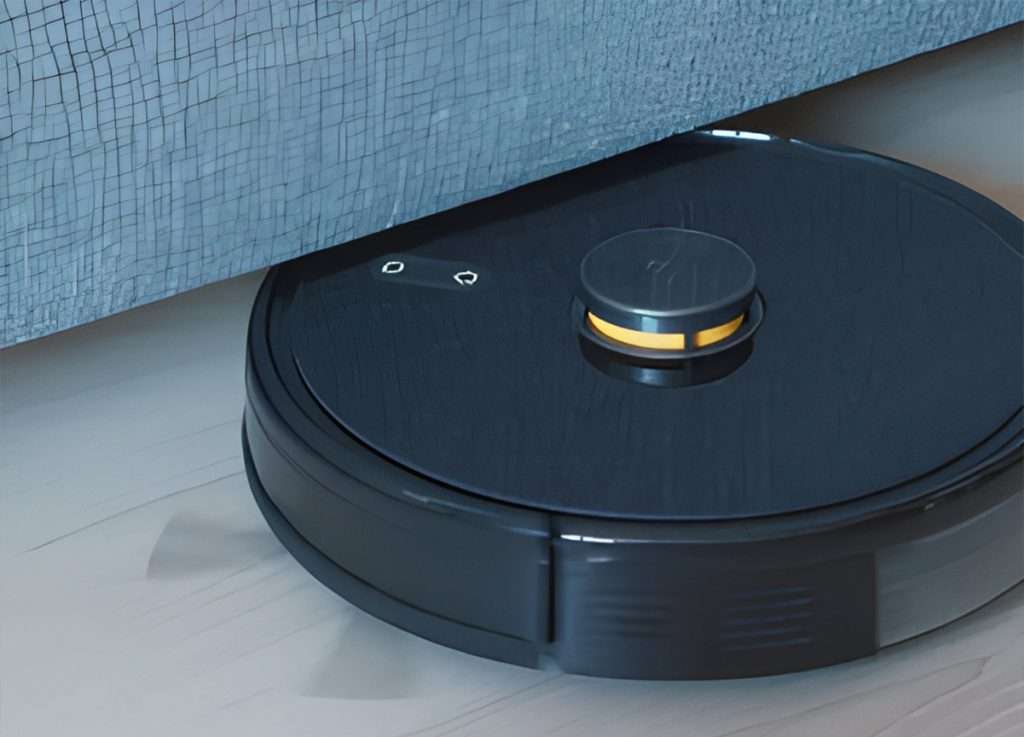
The modern robot vacuum has evolved far beyond simple automated floor cleaning. Today’s robotic cleaning systems combine advanced navigation, obstacle avoidance, room mapping, carpet detection, and automated docking to deliver increasingly intelligent performance. While technologies such as LiDAR, AI vision, and SLAM navigation often receive the most attention, the mechanical actuation system remains one of the most critical components inside any robot vacuum.
Every movement inside a robot vacuum depends on reliable actuators. Whether lifting a mop over carpet, deploying a side brush into corners, or operating docking station mechanisms, precision motion control directly impacts cleaning performance and long-term reliability. For engineers developing next-generation robotic cleaning systems, understanding the role of servo technology is essential.
How a Robot Vacuum Relies on Actuation Systems
A robot vacuum contains multiple moving subsystems that require accurate and repeatable positioning.
Navigation and Mobility
The drive system controls wheel movement, turning, and docking alignment. Precise motion is necessary to ensure the robot follows planned cleaning paths while avoiding obstacles and maintaining navigation accuracy.
Many premium robot vacuum models use sophisticated localization systems that depend on accurate mechanical positioning. Small motion errors can accumulate over time, reducing cleaning efficiency and increasing navigation corrections.
Cleaning and Docking Mechanisms
Beyond driving, several internal mechanisms require controlled actuation:
- Mop lifting systems
- Side brush deployment
- Water tank control mechanisms
- Dust collection door systems
- Auto-empty dock mechanisms
- Sensor protection covers
As robot vacuum designs become more advanced, the number of moving components continues to increase. This creates greater demand for compact, durable, and highly accurate actuation solutions.
Why Modern Robot Vacuum Designs Need Precision Actuators
A growing number of premium robot vacuum platforms now include features that depend heavily on precise motion control.
Mop Lifting Systems
One of the most common examples is automatic mop lifting. When the robot detects carpet, the mop must quickly raise to avoid wetting soft surfaces. The lifting mechanism must maintain consistent positioning over thousands of operating cycles.
Even a few millimeters of positioning error can negatively affect cleaning performance.
Side Brush Extension Mechanisms
Some advanced robot vacuum models use extendable side brushes to improve edge cleaning. These mechanisms must repeatedly extend and retract while maintaining positional accuracy despite dust exposure and vibration.
Auto-Empty Docking Systems
Automatic dust collection stations contain moving components that open, seal, and transfer debris between the robot and the docking station. Reliable actuation is essential for maintaining efficient operation over extended service periods.
These applications demonstrate why actuator reliability has become a critical design consideration for robotic cleaning systems.
Common Reliability Problems in Robot Vacuum Mechanisms
Although robotic cleaning technology has improved significantly, engineers still encounter several common actuation-related failures.
Gear Wear
Plastic gears may initially provide adequate performance, but repeated cycling can gradually increase backlash and reduce positioning accuracy.
Applications such as mop lifting mechanisms can perform thousands of cycles annually, accelerating wear in lower-quality gear systems.
Position Drift
Position feedback degradation can cause movement inaccuracies over time. This is particularly problematic for mechanisms that require repeatable positioning, such as carpet detection and mop control systems.
Dust and Debris Exposure
Unlike many indoor robots, a robot vacuum operates continuously in dusty environments. Fine particles can enter mechanical assemblies and accelerate component wear.
Cycle Fatigue
Repeated operation creates cumulative stress on gears, bearings, shafts, and feedback components. Reliability testing often reveals that long-term durability depends heavily on actuator design quality.
For engineers focused on product longevity, these issues highlight the importance of selecting robust actuation systems early in the development process.
Real-World Example: Mop Lifting System Reliability Challenges
A common engineering challenge in robotic cleaning systems involves mop lifting mechanisms.
In a typical robot vacuum design, the mop must automatically raise when the robot transitions from hard flooring to carpet. During laboratory testing, many systems achieve excellent initial performance. However, long-term field testing often reveals reliability concerns.
Several manufacturers have reported that after thousands of lift cycles, some systems experience:
- Reduced lifting accuracy
- Position drift
- Increased gear backlash
- Inconsistent carpet clearance
These issues frequently originate from gear wear and declining feedback accuracy.
To improve reliability, manufacturers have increasingly adopted closed-loop actuation systems featuring metal gears and higher-precision position sensing technologies. The result is more consistent positioning performance, reduced maintenance requirements, and improved cleaning quality throughout the product lifecycle.
This example demonstrates how actuator design directly influences the user experience, even when navigation and software systems function perfectly.
Why Magnetic Encoder Feedback Matters in Robot Vacuum Applications
Position feedback technology is a key factor in long-term actuator performance.
Limitations of Potentiometer-Based Feedback
Traditional potentiometer systems use physical contact to measure position. While cost-effective, they can experience:
- Mechanical wear
- Reduced accuracy over time
- Position drift
- Limited operational lifespan
These limitations become increasingly important in products that perform thousands of cycles each year.
Advantages of Magnetic Encoders
Magnetic encoders provide non-contact position sensing, making them highly suitable for robotic applications.
Key benefits include:
- Higher positioning accuracy
- Excellent repeatability
- Reduced wear
- Longer service life
- Better resistance to vibration
For robotic cleaning systems expected to operate daily for many years, magnetic encoder technology offers significant reliability advantages.
According to research published by the IEEE Robotics and Automation Society, reliable sensing and motion control remain critical factors in long-term robotic system performance.
What Engineers Should Look for in a Robot Vacuum Servo
Selecting the right servo involves balancing multiple performance requirements.
Torque Capacity
The servo must provide sufficient torque to handle dynamic loads while maintaining accurate positioning. Engineers should include an adequate safety margin when calculating load requirements.
High Cycle Life
Robot vacuum mechanisms may perform thousands of movements every year. Long service life is essential for maintaining reliability and minimizing warranty claims.
Position Accuracy
Accurate positioning improves cleaning consistency and helps ensure reliable operation of moving mechanisms such as mop lifting and docking systems.
Low Noise Operation
Consumer robotics products must operate quietly. Smooth gear engagement and precise control help reduce mechanical noise.
Metal Gear Construction
Metal gears offer improved durability, reduced backlash growth, and better resistance to long-term wear compared to plastic alternatives.
For applications requiring dependable performance over many years, metal gear systems are often the preferred choice.
Frequently Asked Questions
Why do robot vacuums use servos?
Servos provide precise motion control for mechanisms such as mop lifting systems, brush deployment, docking components, and other moving assemblies.
What causes robot vacuum actuator failures?
Common causes include gear wear, position feedback degradation, dust contamination, insufficient torque capacity, and long-term cycle fatigue.
Are magnetic encoders better than potentiometers?
For most robotic applications, magnetic encoders offer superior accuracy, repeatability, and lifespan because they use non-contact sensing technology.
What is the most important servo characteristic for robotic cleaning systems?
There is no single specification that matters most. Engineers typically prioritize torque capacity, positioning accuracy, cycle life, durability, and feedback reliability.
Conclusion
The performance of a modern robot vacuum depends on much more than navigation software and sensor technology. Reliable actuation systems are essential for maintaining cleaning quality, durability, and user satisfaction throughout the product lifecycle.
Engineers developing robotic cleaning platforms should prioritize servos that combine accurate feedback, high cycle life, all-metal gear construction, and stable long-term performance. Technologies such as magnetic encoders can help improve positioning accuracy while reducing wear-related reliability issues.
For robotics developers seeking durable motion control solutions, XQ Servo offers all-metal servos with magnetic encoder technology designed for demanding robotic applications. Learn more about servo solutions for robotic systems at www.xqservo.com.