
Introduction
A modern lawn mowing robot is far more than a simple automated mower. Today’s robotic mowing systems combine advanced navigation, obstacle detection, RTK positioning, computer vision, and precision actuation to maintain consistent cutting performance across complex outdoor environments. While navigation technologies often receive the most attention, the mechanical actuation system is equally important. A lawn mowing robot can only perform accurately if its moving components respond precisely and reliably under real-world operating conditions.
For engineers developing autonomous outdoor equipment, selecting the right servo technology can significantly impact system durability, cutting consistency, maintenance requirements, and overall product reliability. Understanding the challenges facing robotic mowing platforms helps explain why actuator and servo selection should never be an afterthought.
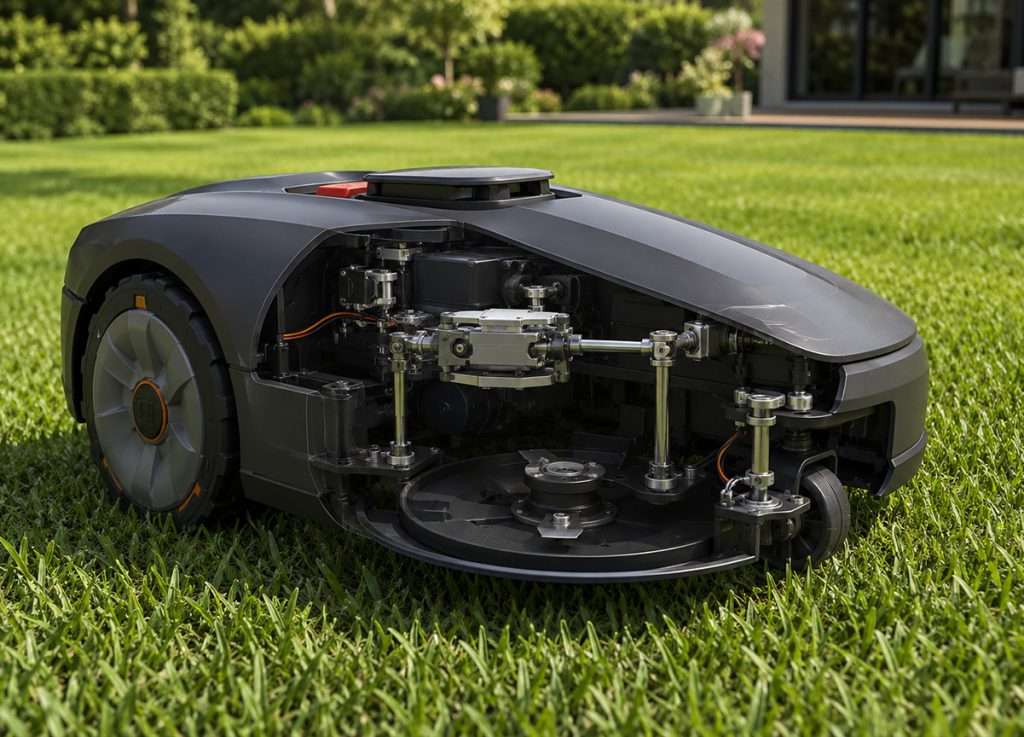
How a Lawn Mowing Robot Actually Moves and Operates
Many consumers view a lawn mowing robot as a self-driving mower, but engineers know that multiple subsystems must work together seamlessly to achieve reliable operation.
Drive and Steering Systems
Most lawn mowing robots use differential wheel drive systems. Independent wheel motors allow the robot to steer by varying wheel speeds on each side. Precise control is required to maintain navigation accuracy, especially when operating near landscaping, flower beds, or property boundaries.
Cutting Height Adjustment Mechanisms
Premium lawn mowing robot platforms often include automated cutting height adjustment. These systems allow the mower to adapt to different grass conditions, seasonal requirements, or user preferences.
The adjustment mechanism frequently relies on compact actuators or servos capable of maintaining precise blade deck positioning despite constant vibration and shock loads.
Sensor Positioning Systems
Modern robotic mowers increasingly rely on cameras, LiDAR sensors, ultrasonic sensors, and GPS antennas. Some designs require adjustable sensor mounting systems that maintain accurate positioning throughout long operating cycles.
Charging Dock Alignment
Autonomous docking is another critical function. A lawn mowing robot must consistently return to its charging station and align accurately for charging contacts to engage properly. Small positioning errors can lead to docking failures and reduced system availability.
Engineering Challenges in Lawn Mowing Robot Design
Outdoor robotics presents unique engineering challenges compared to indoor automation systems.
Uneven Terrain and Dynamic Loads
Residential and commercial lawns rarely provide ideal operating conditions. A lawn mowing robot must navigate:
- Slopes
- Tree roots
- Small holes
- Uneven ground
- Soft soil
- Gravel transitions
These terrain variations create constantly changing loads on mechanical systems. Actuators and servos must absorb shocks while maintaining positional accuracy.
Continuous Vibration Exposure
The cutting blade generates constant vibration during operation. Over hundreds or thousands of operating hours, this vibration can accelerate wear in low-quality gears, bearings, and feedback systems.
Engineers must therefore prioritize robust mechanical designs that can withstand long-term vibration exposure without losing accuracy.
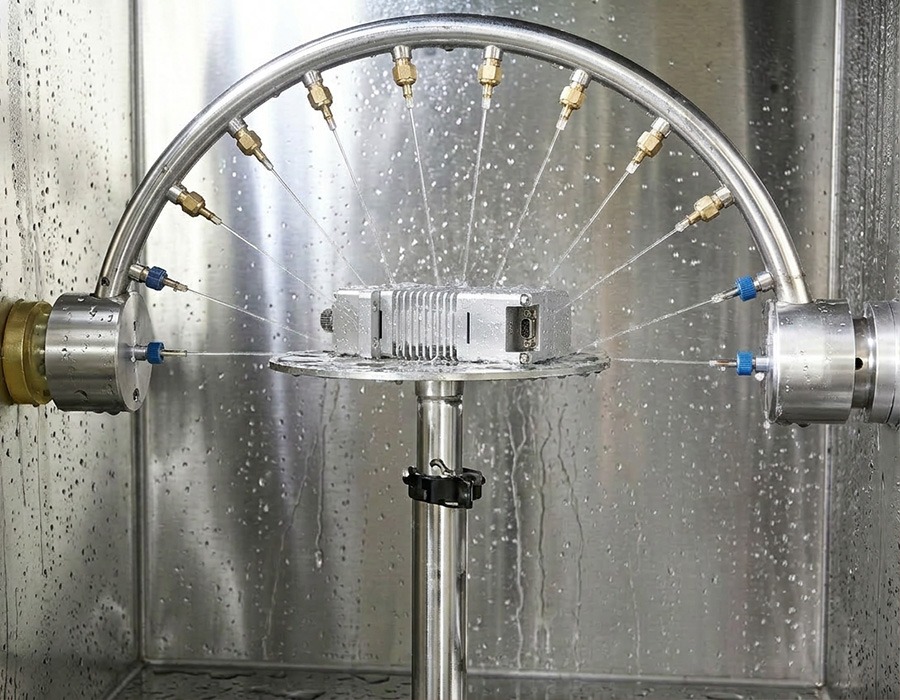
Dust, Moisture, and Temperature Changes
Unlike indoor robots, a lawn mowing robot operates in harsh environmental conditions.
Common environmental stress factors include:
- Morning dew
- Rain exposure
- Dust and dirt
- Grass debris
- UV radiation
- Seasonal temperature fluctuations
These conditions can significantly reduce the lifespan of poorly protected mechanical components.
Long Duty Cycles
Commercial robotic mowers often operate for several hours every day during the growing season. Some units may accumulate thousands of operational hours throughout their service life.
As a result, component durability becomes just as important as performance specifications.
Real-World Example: Cutting Height Adjustment Failures in Commercial Lawn Mowing Robots
One recurring issue reported by developers of commercial robotic mowing systems involves automated cutting height adjustment mechanisms.
In a typical design, a compact servo is responsible for adjusting the blade deck height according to terrain conditions or user settings. During laboratory testing, the system may perform well. However, field deployment often reveals additional challenges.
After several months of operation, some manufacturers observed:
- Inconsistent cutting height
- Position drift
- Increased mechanical backlash
- Reduced adjustment accuracy
Investigation frequently identified wear in plastic gear trains and degradation of traditional position feedback systems.
Even small positioning errors can produce noticeable differences in cutting quality. A height deviation of only a few millimeters may leave visible patterns across the lawn, negatively affecting customer satisfaction.
To address these issues, several manufacturers transitioned to closed-loop servo systems featuring metal gears and higher-precision position feedback technologies. The improved systems maintained consistent cutting height accuracy over significantly longer operating periods while reducing maintenance requirements.
This example highlights a critical lesson for engineers: actuator reliability directly affects the end-user experience, even when navigation and software systems perform perfectly.
Why Encoder Feedback Matters in Lawn Mowing Robot Applications
Position feedback technology plays a major role in servo performance.
Limitations of Traditional Potentiometer Feedback
Many low-cost servos rely on potentiometers for position sensing.
Although widely used, potentiometers have several disadvantages:
- Mechanical wear
- Reduced accuracy over time
- Sensitivity to vibration
- Limited lifespan
- Position drift after extended use
In outdoor robotic systems, these limitations can become significant reliability concerns.
Advantages of Magnetic Encoders
Magnetic encoder technology offers several benefits for robotic applications.
Key advantages include:
- Non-contact position sensing
- Higher repeatability
- Improved resistance to vibration
- Longer operational lifespan
- Greater positional accuracy
Because there is no direct mechanical contact between sensing components, magnetic encoders generally maintain consistent performance over far more operating cycles than traditional potentiometer systems.
Improved Long-Term Stability
A lawn mowing robot may perform thousands of adjustment cycles throughout its service life.
Whether controlling deck height, sensor positioning, access panels, or auxiliary mechanisms, maintaining repeatable motion is essential.
Magnetic encoder feedback helps engineers achieve consistent positioning accuracy without the gradual degradation associated with contact-based sensing methods.
What Engineers Should Look for in a Lawn Mowing Robot Servo
Selecting the right servo requires evaluating multiple technical factors.
Sufficient Torque Margin
Engineers should avoid sizing servos solely for nominal loads.
Unexpected terrain impacts, vibration, and environmental resistance can increase load requirements significantly. A healthy torque margin helps ensure reliable operation under real-world conditions.
All-Metal Gear Construction
Metal gears provide several advantages:
- Higher load capacity
- Improved wear resistance
- Reduced backlash growth
- Longer service life
For outdoor robotic systems expected to operate for years, all-metal construction often delivers a better long-term return on investment.
High-Precision Feedback
Accurate position control is essential for maintaining consistent performance.
Whether adjusting cutting height or controlling auxiliary mechanisms, precise feedback enables repeatable operation and improved reliability.
Environmental Durability
Outdoor robotics demands components that can tolerate:
- Dust
- Moisture
- Temperature variation
- Mechanical shock
- Continuous vibration
Durability should be considered a primary design requirement rather than an optional feature.
Fast and Stable Response
Responsive actuation improves system efficiency and control accuracy. Fast positioning combined with stable closed-loop control helps prevent overshoot, oscillation, and unnecessary mechanical stress.
Choosing the Right Servo for Next-Generation Lawn Mowing Robots
As robotic lawn care technology continues to evolve, engineers are demanding greater reliability, longer operating life, and more precise control from every subsystem.
When evaluating servo solutions for a lawn mowing robot, several characteristics consistently stand out:
- High torque density
- All-metal gear construction
- Magnetic encoder feedback
- Excellent vibration resistance
- Long operational lifespan
- Stable positioning performance
These features help ensure reliable operation across thousands of mowing cycles while minimizing maintenance requirements and preserving cutting quality.
For developers building next-generation outdoor robotics platforms, servo technology should be selected with the same level of attention given to navigation systems, sensors, and software architecture.
Companies developing advanced robotic systems can explore the engineering resources available from XQ Servo at www.xqservo.com. High-torque all-metal servos with magnetic encoder technology can provide the precision, durability, and stability required for demanding lawn mowing robot applications.
Frequently Asked Questions About Lawn Mowing Robot Servos
Why does a lawn mowing robot need high-torque servos?
High-torque servos help maintain reliable operation when mechanisms encounter vibration, uneven terrain, mechanical resistance, and changing environmental conditions.
Are metal gear servos better for robotic mowers?
In most outdoor robotic applications, metal gear servos offer superior durability, wear resistance, and long-term positioning accuracy compared to plastic gear alternatives.
Why are magnetic encoders preferred in robotic systems?
Magnetic encoders provide non-contact position sensing, improved repeatability, and greater resistance to wear, making them highly suitable for long-life robotic applications.
What causes servo failure in lawn mowing robots?
Common causes include excessive vibration, inadequate torque capacity, gear wear, environmental exposure, and feedback sensor degradation.
How important is position accuracy in cutting height adjustment?
Even small positioning errors can affect lawn appearance. Accurate and repeatable positioning helps maintain consistent cutting quality and improves user satisfaction.
Conclusion
The success of any lawn mowing robot depends on more than navigation algorithms and autonomous software. Reliable mechanical actuation remains a fundamental requirement for consistent performance in outdoor environments.
Engineers developing robotic mowing systems should prioritize servo solutions that combine high torque capacity, all-metal durability, precise magnetic encoder feedback, and long-term stability. By focusing on these characteristics during the design phase, manufacturers can improve reliability, reduce maintenance requirements, and deliver a better user experience throughout the product lifecycle.
Powering Innovation
Contact XQ-power’s product specialist to recommend suitable motor or servo for your product.