
Why 2,000-Hour Life Testing is Mandatory for Industrial Servos?
In the world of B2B industrial automation and high-stakes robotics, “Industrial Servo Reliability” isn’t just a marketing buzzword—it is a measurable engineering metric. While hobby-grade servos are designed for intermittent use in RC vehicles, an Industrial Servo must withstand hundreds of thousands of cycles under constant load without failure. At XQ-Power, we recently subjected our flagship S9150D series to a rigorous 2,000-hour continuous life test. Here is why this testing is critical for your project and what the data reveals about professional-grade actuators.
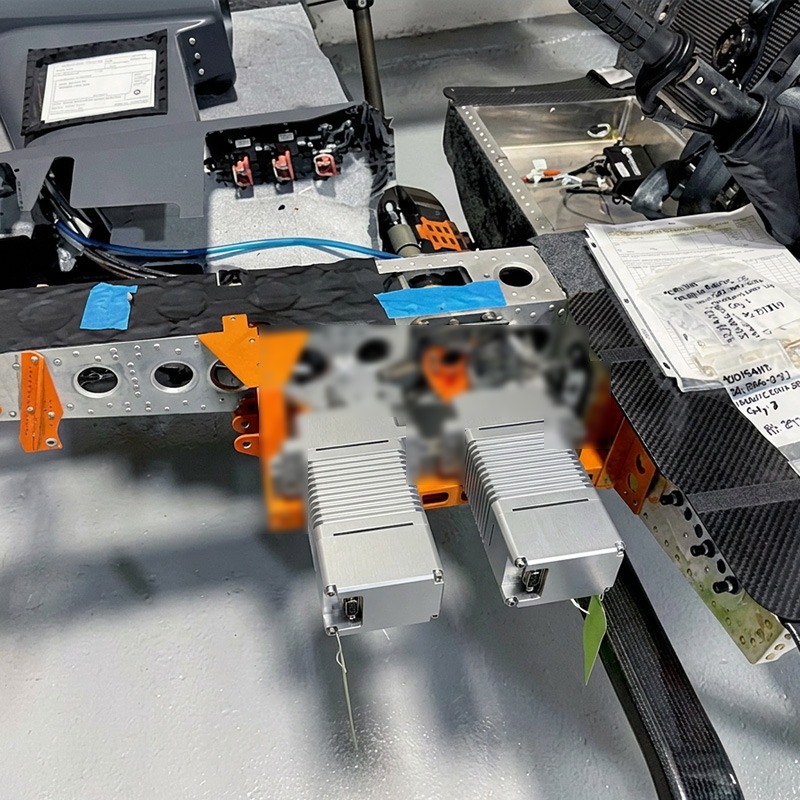
1. Defining “Industrial Grade”: Beyond the Stall Torque
Many purchasers focus solely on Stall Torque. However, in a professional application (such as an AGV steering system or a 24/7 robotic arm), the real question is: How long can that torque be maintained?
A 2,000-hour test (equivalent to nearly 3 months of non-stop 24/7 operation) simulates years of real-world use. It identifies the “weakest links”—usually the gear train wear, motor brush exhaustion (in coreless motors), or thermal degradation of the control circuit.
2. Key Metrics Tracked During Reliability Testing
During our S9150D evaluation, we don’t just wait for the servo to stop working. We track the following:
- Torque Decay: Does the output force drop after 500 hours? High-quality CNC steel gears and premium brushless motors should show less than 5% decay over the test life.
- Positional Accuracy (Jitter & Deadband): As gears wear, the “slop” or backlash increases. A true industrial servo maintains its precision even after millions of cycles.
- Thermal Consistency: We monitor internal temperatures to ensure the CNC Aluminum housing effectively dissipates heat, preventing permanent magnet degradation in the motor.
3. Case Study: XQ-Power S9150D Performance
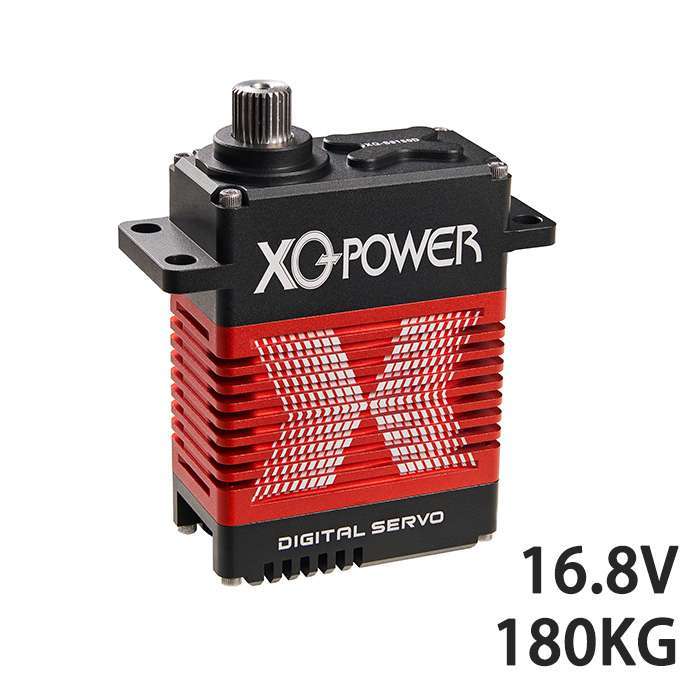
The S9150D was designed for high-load applications like industrial valve control and heavy-duty UAV actuators. Our data showed:
- Total Cycles: Exceeded 5 million movements.
- Gear Integrity: Titanium-alloy coated steel gears showed negligible surface wear due to the specialized high-pressure lubricant used in our assembly process.
- Sealing Continuity: The O-ring seals maintained IP67 integrity throughout the vibration and heat cycles of the life test.
4. Why This Matters for Your ROI
Choosing a servo without validated life-test data is a risk. A premature failure in the field leads to:
- Costly Downtime: Replacing a $50 servo can cost thousands in lost production time.
- Brand Damage: If your robot fails at a client site, your reputation takes the hit.
- Maintenance Costs: Servos that require frequent replacement increase the Total Cost of Ownership (TCO).
Conclusion: Ask for the Data
When sourcing components for your next industrial project, move past the basic spec sheet. Ask your supplier for reliability reports. An Industrial Servo Reliability is an investment in your machine’s uptime.
Powering Innovation
Contact XQ-power’s product specialist to recommend suitable motor or servo for your product.