
Servo Fail-Safe Brake — Holding Position When Power Fails
A servo fail-safe brake is the component nobody thinks about until a load drops. I once watched a 200kg test fixture slide right off a linear stage because the servo lost power and the leadscrew back-drove. Nobody got injured, but that fixture became expensive scrap. The lesson: any vertical or safety-critical load needs a brake that engages when power disappears, not one that demands power to hold.
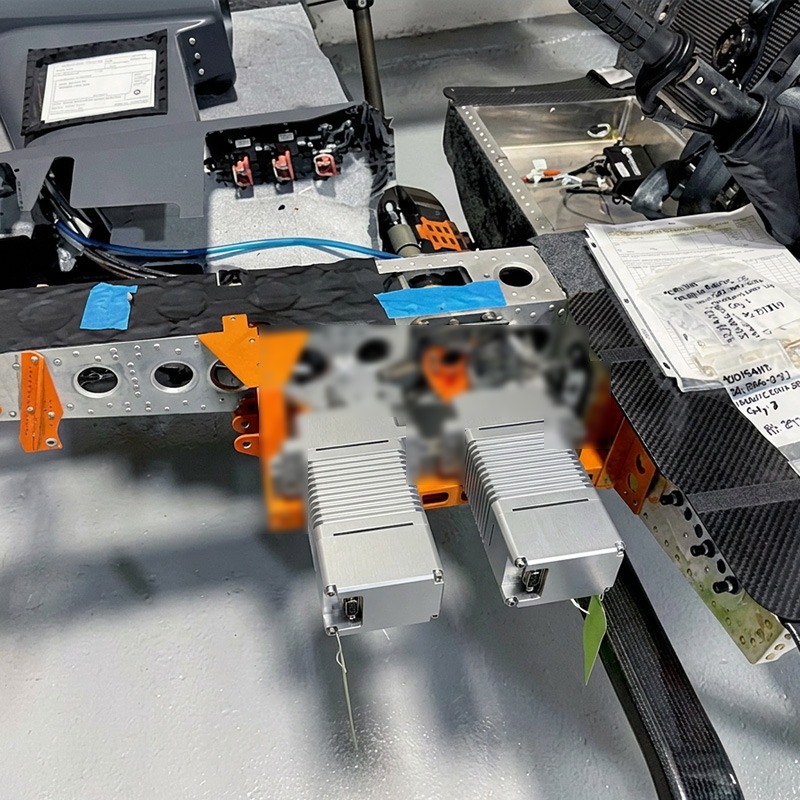
How Spring-Engaged Brakes Actually Work
Most industrial servo brakes run on electromagnetic spring-engaged design. Here is the mechanism: a coil generates a magnetic field that pulls the brake pads apart against spring pressure. While power flows, the brake stays open and the servo spins freely. The moment power drops, the magnetic field collapses, the springs slam the pads together, and the shaft locks. Engineers call this power-off engage, and it is exactly what you want for fail-safe operation.
Manufacturers usually mount the brake on the rear shaft of the servo motor, opposite the output. Some servos integrate the brake inside the housing. Larger industrial units often use an external brake module that bolts to the rear end bell. All three approaches work; the difference comes down to packaging and serviceability
Holding Torque vs Dynamic Stopping
A brake’s holding torque rating tells you how much static load it resists without slipping. Push this number past your worst-case static load, including any shock or impact. A 100kg load on a 0.1m lever arm produces roughly 100 Nm — so your brake holding torque needs at least 150 Nm for a safety factor.
Dynamic braking works differently. If the load already moves when power cuts out, the brake must stop it. The moving mass dumps kinetic energy straight into the brake pads as heat. Brakes that handle dynamic stopping cost more and wear faster than holding-only units. Know which mode your application demands before you order.
Where You Cannot Skip the Brake
Vertical axes come first. Anything that drops under gravity when power fails needs a brake, full stop. Physics does not negotiate.
Rotary axes with large inertia — industrial turntables, indexing tables, robotic waist joints — also require brakes. The axis may sit horizontal, but a power failure during a high-speed move leaves the load spinning with stored kinetic energy. It will coast straight into something expensive.
AGV steering systems trip up a lot of designers. When the steering servo loses power while the AGV rolls, the wheels go wherever they please. A brake locks the steering angle at the last commanded position until the vehicle reaches a safe stop.
Wiring the Brake Right
Give the brake coil its own power supply, independent of the servo driver. If the driver fails but the brake still sees power, the brake stays open and your load moves. Wire the brake release signal through a safety relay that drops out when the E-stop circuit opens. That way, hitting the emergency stop kills both servo and brake power at the same moment, and the brake engages purely by spring force.
One final point: test the brake regularly. Spring-engaged brakes stick in the open position if they sit unused for months. Cycle them once a week during preventive maintenance. A brake that fails to engage during a real power loss is no brake at all.1