
Dual Servo Master-Slave — Syncing Two Actuators Under Load
A dual servo master slave setup sounds simple enough: two servos, one command, they move together. In practice two servos bolted to the same load will fight each other until something gives. I learned this on an AGV steering rig where twin servos shared a 1500kg axle. Within three days the gear teeth on one servo turned to scrap.
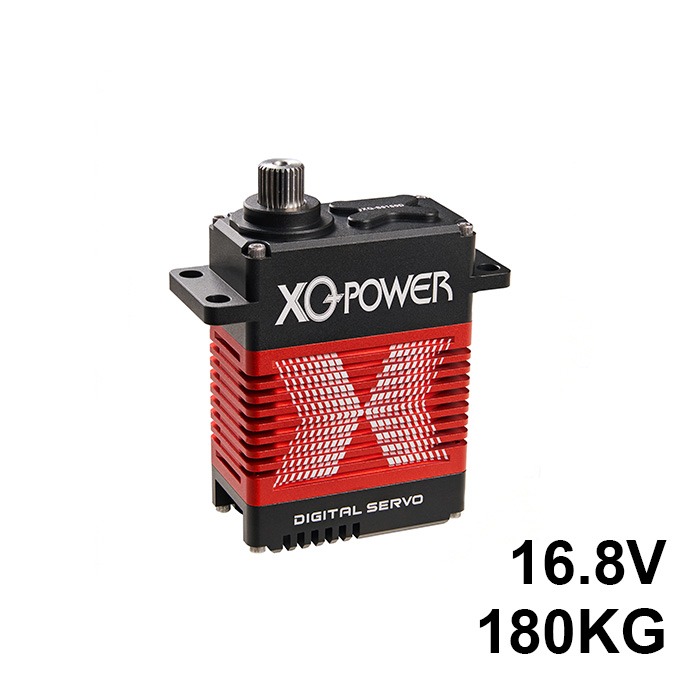
Why Two Servos Fight Each Other
No two servos leave the factory identical. Even matched pairs from the same batch differ in deadband, centering offset, and speed. Send the same PWM signal to both and one moves slightly faster or stops off-center. Because they mechanically link to the same load, the faster servo drags the slower one along. The slower one pushes back. The result: constant opposing torque, current spikes, and gear wear that accelerates fast.
Better matching is not the answer. Smarter control is.
How a Master-Slave Setup Works
In a proper dual servo master slave configuration, only one servo gets the position command. That servo acts as the master. The slave reads the master’s actual position through feedback — either from an external encoder on the shared shaft or from the master’s internal encoder output — and follows it in real time. The slave does not try to hit a commanded position. It simply tracks whatever the master does.
When the load shifts and pushes the master off its setpoint, the slave follows the push instead of fighting it. No torque war, no accelerated gear death.
Mechanical Alignment — The Hidden Servo Killer
Software synchronization matters, but mechanical alignment decides whether it works. Misalign your two servos by even half a degree and the slave chases the master nonstop. Over hours the slave driver cooks itself from endless micro-corrections. Use a dial indicator on the output shaft. Shim the mounts until both servos sit within 0.1 degrees of each other at center. Then test free movement with power off — if you feel binding, realign.
Beyond Two Servos — When You Need a Controller
A simple master-slave pair handles two servos well. For three or more, or when the load runs asymmetric, bring in a dedicated motion controller running CAN bus or RS-485. The controller reads every encoder position, runs a sync algorithm, and sends individual commands to each servo. It costs more and adds complexity, but it is the only reliable path for synchronizing more than two axes.
For most dual servo applications in industrial settings, a well-tuned master-slave pair with solid mechanical alignment does the job. Skip the alignment step and I guarantee it bites you. That lesson only costs you one set of gear teeth.1