
I spent my morning explaining to a client why his servos started “jittering” or losing their center point after a month of use on a vibratory feeder. The reason? A worn-out potentiometer. If you are in industrial automation, you need to switch to a magnetic encoder servo. Traditional servos use a “wiper” (potentiometer) that physically rubs against a surface to know its position. In a high-vibration environment, that wiper bounces, wears down, and eventually creates “blind spots.”
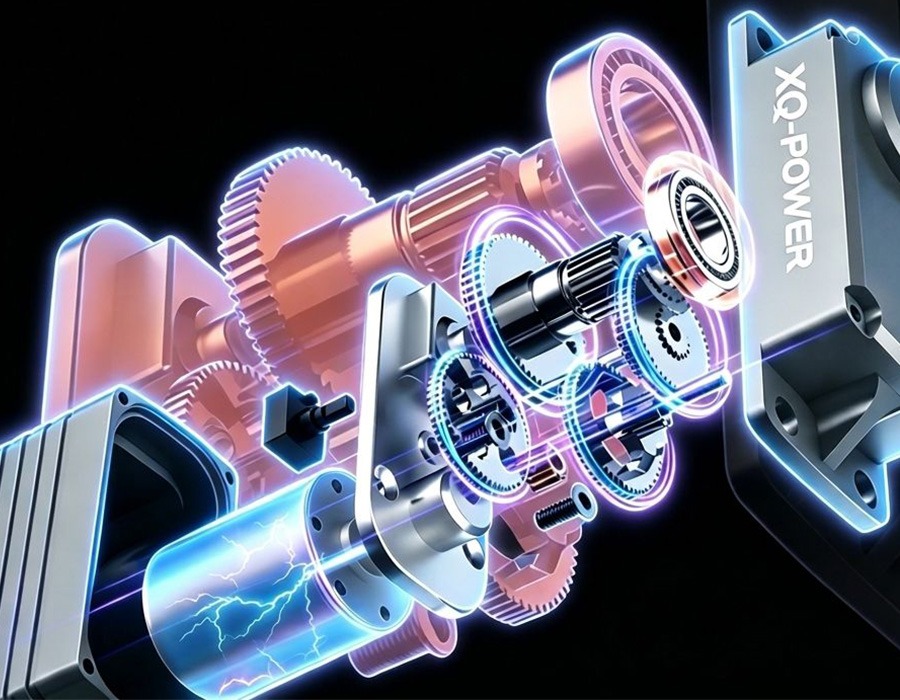
The XQ-S9150D uses a 12-bit contactless magnetic encoder. There is no physical contact. A tiny magnet on the shaft talks to a sensor chip. The benefits are immediate:
- Zero Wear: Since nothing touches, the sensor lasts as long as the motor.
- Jitter-Free: No physical bouncing means the signal stays clean, even if the machine is shaking.
- High Resolution: Our 12-bit system provides 4,096 points of resolution, giving you millimetric precision that a potentiometer simply can’t match.
If your robot works in a “dirty” or high-vibration environment, don’t let a $2 potentiometer be your point of failure. Go with a magnetic encoder servo and set it once—forever.
Powering Innovation
Contact XQ-power’s product specialist to recommend suitable motor or servo for your product.