
Actuation Systems
UAV actuation systems are a core part of modern UAV flight control architectures. They translate electronic commands from flight controllers into precise mechanical motion used on control surfaces, propulsion systems, and VTOL mechanisms.
In real UAV applications, these systems are not standalone components. An actuation system operates inside a closed-loop control architecture where response speed, stiffness, and repeatability directly affect flight stability and mission safety.
For a general technical overview of actuators in engineering systems, see: https://en.wikipedia.org/wiki/Actuator
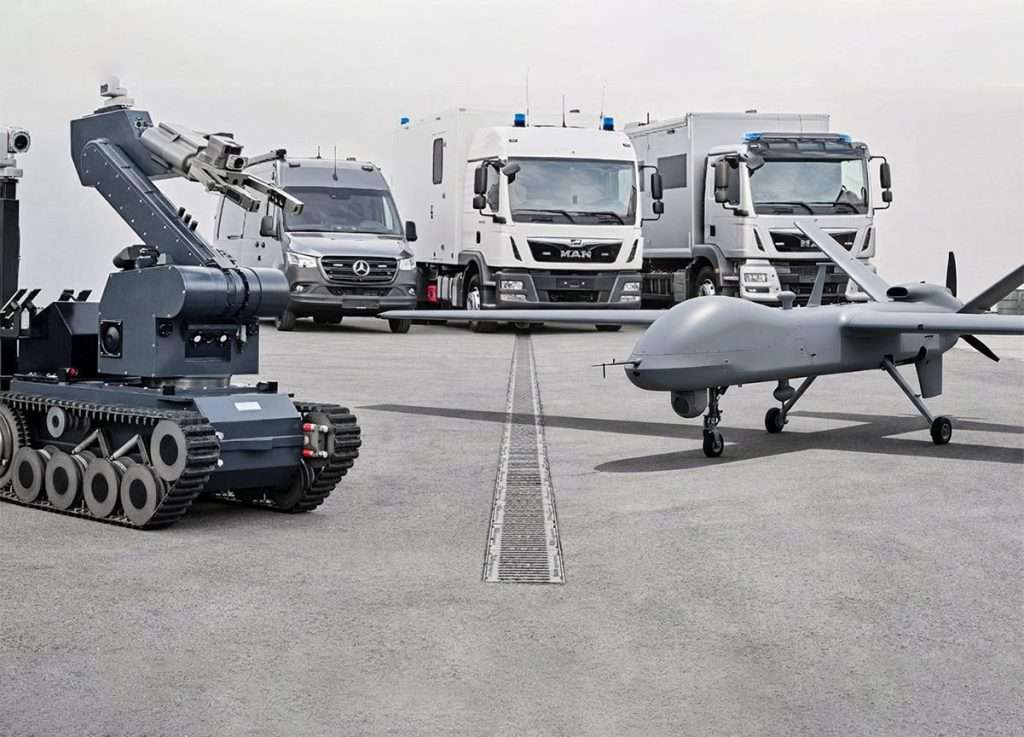
UAV Actuation Systems in Flight Control Architectures
In modern UAV platforms, actuation hardware is typically integrated into distributed control systems rather than simple point-to-point servo links.
Common integration methods include:
- CAN-based communication for distributed control
- PWM compatibility for legacy flight systems
- real-time position and current feedback loops
- multi-node synchronization for VTOL and multi-surface aircraft
In these architectures, actuation functions as an active node within the control network rather than a passive output device.
Engineering Design Focus
Our actuation systems are designed around three core principles:
1. Dynamic response stability
Consistent response under rapidly changing aerodynamic loads.
2. System-level integration
Each unit combines motor, gearbox, sensing, and control electronics into a single electromechanical subsystem.
3. Environmental robustness
Stable operation under vibration, thermal cycling, and long-duration mission profiles.
VTOL and Transition Applications
In VTOL aircraft, flight control actuation plays a critical role during transition between vertical and forward flight modes.
Synchronization between multiple actuators must be tightly controlled. Even small timing deviations can introduce oscillation or instability during transition phases.
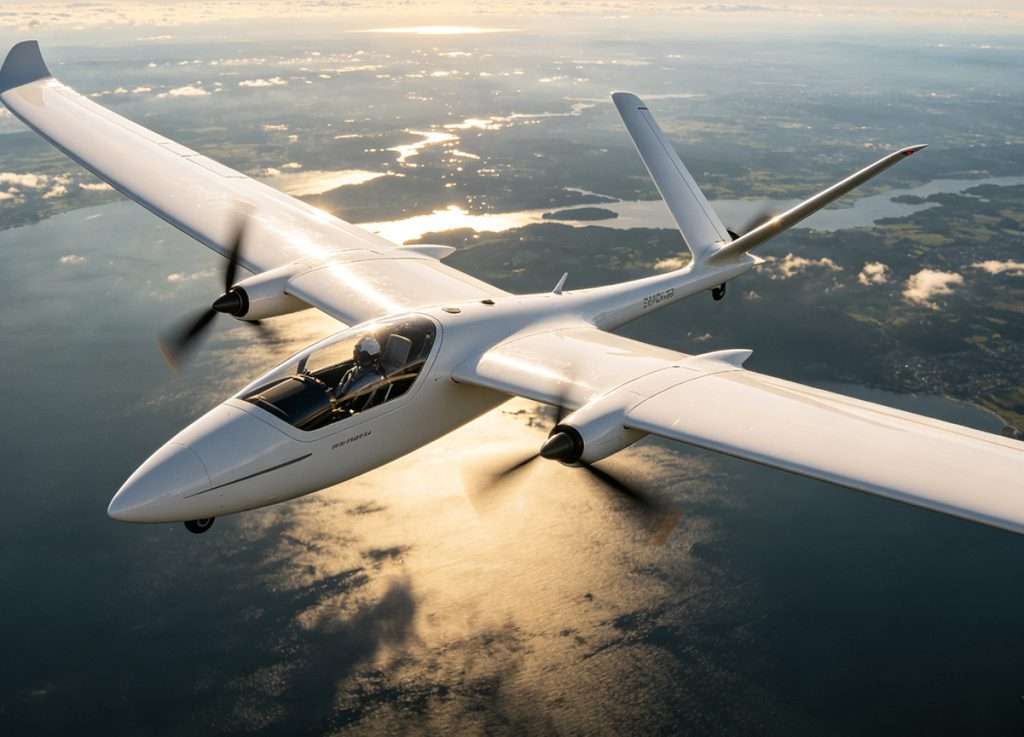
Field Applications
High-altitude fixed-wing UAV
In long-endurance platforms, actuation systems must maintain stable torque output under low-temperature and low-density air conditions. Flight testing has shown consistent control surface behavior across multi-hour missions without neutral drift.
Heavy-lift cargo UAV
In payload-variable systems, actuator load conditions change significantly between missions. Load feedback control helps maintain consistent surface authority across different aerodynamic conditions and payload configurations.
Harsh environment UAV operations
In coastal and desert deployments, sealing and corrosion resistance become critical. Proper environmental protection ensures stable operation across repeated mission cycles.
Reliability Considerations
Reliability is defined at system level rather than component level.
Key design considerations include:
- redundancy in sensing paths where required
- thermal and current derating strategies
- failure mode isolation at system level
- long-cycle endurance validation under real load profiles
Summary
UAV actuation systems define how UAV platforms behave in real flight conditions. Once integrated, they become part of the control loop itself rather than independent mechanical components.
The focus of modern actuation design is not only performance, but predictable and stable behavior over long operational cycles in real-world environments.
Powering Innovation
Contact XQ-power’s product specialist to recommend suitable motor or servo for your product.