
1. What is a Low Backlash Servo System
In high-performance robotic systems, a low backlash servo is essential for achieving precise and stable motion control.
Motion accuracy depends heavily on mechanical transmission quality, especially the gear system inside the actuator.
Even small mechanical gaps can lead to positioning errors and reduced system stability.
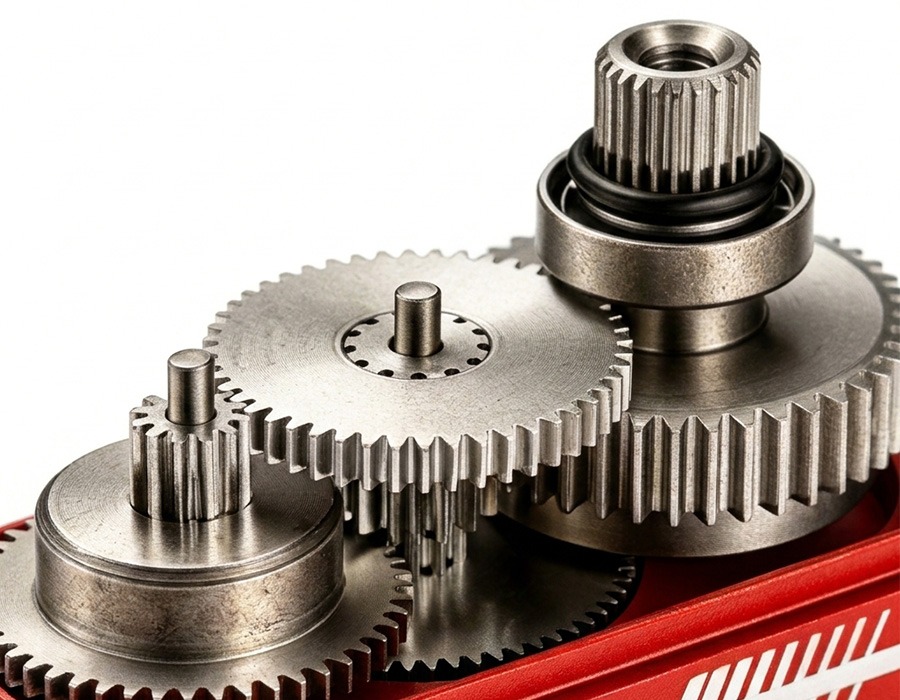
2. What is Backlash in a Low Backlash Servo System
Backlash refers to the small clearance between gear teeth when changing direction of motion.
It is a natural mechanical phenomenon, but it must be carefully controlled in precision systems.
In servo actuators, excessive backlash can cause:
- Positioning delay
- Reduced motion accuracy
- Instability at low speed
3. How a Low Backlash Servo Improves Motion Accuracy
A low backlash servo improves system performance by reducing mechanical play inside the transmission system.
This leads to:
- Higher positioning precision
- Smoother directional changes
- Better multi-axis coordination
- Improved repeatability in motion tasks
These improvements are critical in robotics applications.
4. Engineering Methods to Reduce Backlash
Low backlash performance is achieved through multiple engineering approaches:
Precision Metal Gear Manufacturing
High-precision CNC machining ensures tight tolerance control between gear interfaces.
Multi-Stage Gear Optimization
Load distribution across multiple gear stages reduces mechanical error accumulation.
Preload Structural Design
Preloaded gear assemblies eliminate free movement between components.
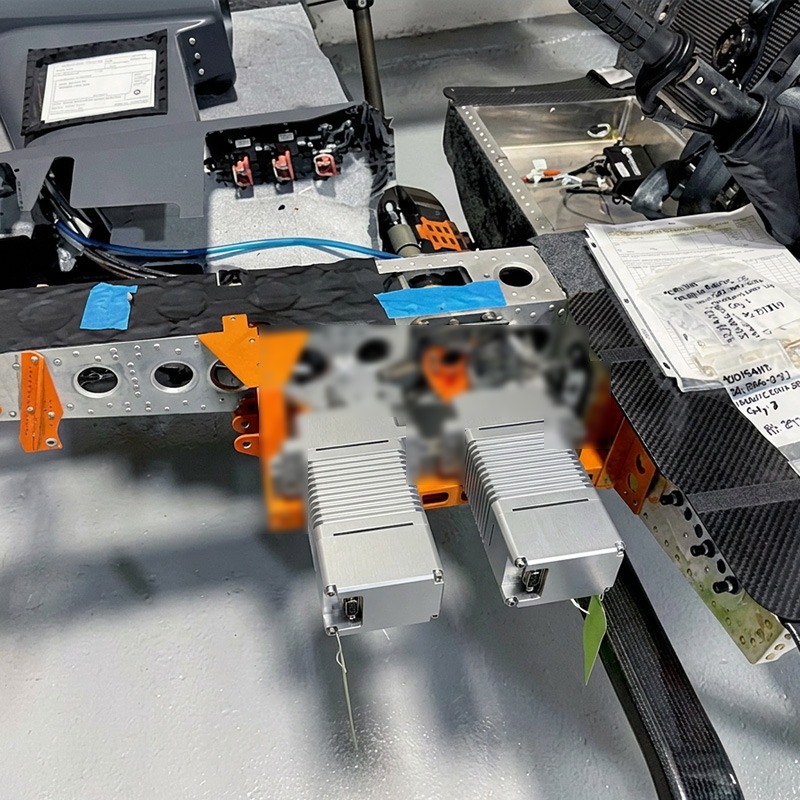
High Rigidity Housing
A rigid structure prevents deformation under high torque load.
5. Industry Benchmark of Servo Backlash
Typical servo systems show different levels of mechanical precision:
- Standard servo systems: 1° – 5°
- Industrial servo systems: 0.5° – 1°
- High-precision robotic systems: < 0.5°
Advanced systems such as a low backlash servo are designed for robotic applications requiring high accuracy and stable motion control.
6. Why Backlash Cannot Be Fully Eliminated
Mechanical systems always require minimal clearance for lubrication, thermal expansion, and long-term durability.
The goal is not zero backlash, but controlled minimal backlash within a safe engineering range.
7. Applications in Robotics
widely used in:
- Humanoid robot joints
- Quadruped robot systems
- Industrial robotic arms
- Precision automation equipment
These applications require both high torque and high positioning accuracy.
8. Industry Standards Reference
For motion control principles and industrial communication systems, refer to:
CAN in Automation (CiA) – Industrial Motion Control Standards
IEEE Robotics and Automation Standards
9. Learn More About Our Engineering
You can explore more about our design philosophy in:
Solutions
Powering Innovation
Contact XQ-power’s product specialist to recommend suitable motor or servo for your product.